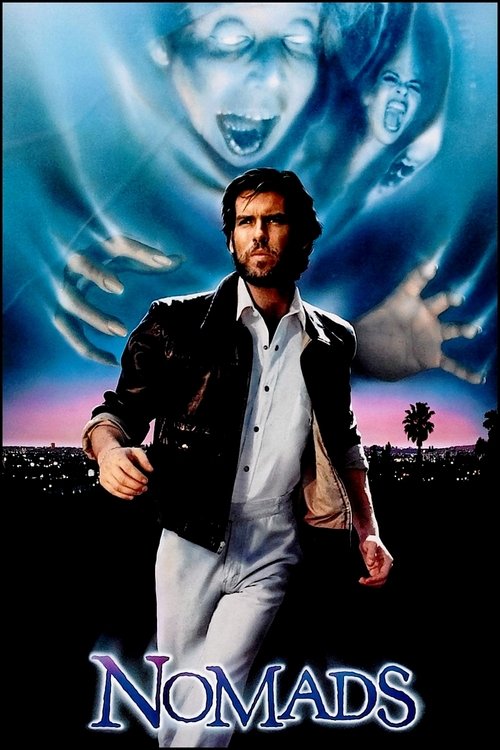
Nomads
1986
No user ratings available yet
Representation score: 6.2 out of 10

Representation Score
Good
2006
Director
Guillaume Nicloux
Runtime
102 minutes
Average Rating
No ratings yetNew Showbiz Analysis
The film succeeds in disrupting Western-centric mystery clichés by centering a non-white protagonist and a non-Western mystical tradition. The inclusion of the Mongolian Tseven tribe provides a significant cultural engine for the plot. However, the film struggles with representation in other areas. It lacks LGBTQ+ presence and uses Liu's medical condition as a functional tool for the mystery rather than a nuanced character study. While Diane provides a strong female lead, the surrounding power structures remain largely traditional, limiting the film's impact on gender subversion.
Category Breakdown
The film does not include any LGBTQ+ characters or explore non-straight relationships. The story focuses solely on the relationship between Diane and Liu and the Mongolian mystery.
Diane Siprien is a strong female lead who drives the investigation. However, the story is still influenced by traditional male-dominated structures within the Council.
Liu, an Asian child of Mongolian descent, drives the plot. This inclusion highlights a non-Western mystical tradition within a European setting.
The story shifts authority from Western institutions to a globalized spiritual framework. It uses a mystic dialect and non-Western heritage to explore complex moral themes.
Liu's coma is used mainly as a plot device to advance the mystery. The film treats his physical condition as a plot tool rather than exploring disability in depth.
Present on Screen
Limited or Absent
Official Synopsis
In France, the single translator Diane Siprien adopts an Asian baby named Liu-San in a foundation directed by Sybille Weber. Years later, a weird mark appears on the boy's chest and Diane and Liu share their dreadful nightmares. Diane is assigned for a three-day job in Germany and she leaves Liu with her friend Sybille. However, while going to the airport, Diane finds Liu hidden in the backseat and startles with an eagle flying toward the windshield, crashing her car. Liu falls into a coma and his digital recorder records the boy speaking in an unknown dialect. When Diane searches the translation and the origins of Liu, she is surrounded by mysterious murders. She discovers that the dialect is from the mystic Mongolian Tseven tribe and that Liu is a powerful Observer; further, he is in danger, threatened by sorcerers that need the boy for their Council of the Stone..
1986

1977

2002
2005

2018

2003
2000
1994
No reviews yet. Be the first to share your thoughts on this movie!
Use the rating form above to leave a star rating and optional review.