
Taxi 3
2003
No user ratings available yet
Representation score: 3.7 out of 10
Representation Score
Limited
2007
Not RatedDirector
Gérard Krawczyk
Runtime
91 minutes
Average Rating
No ratings yetNew Showbiz Analysis
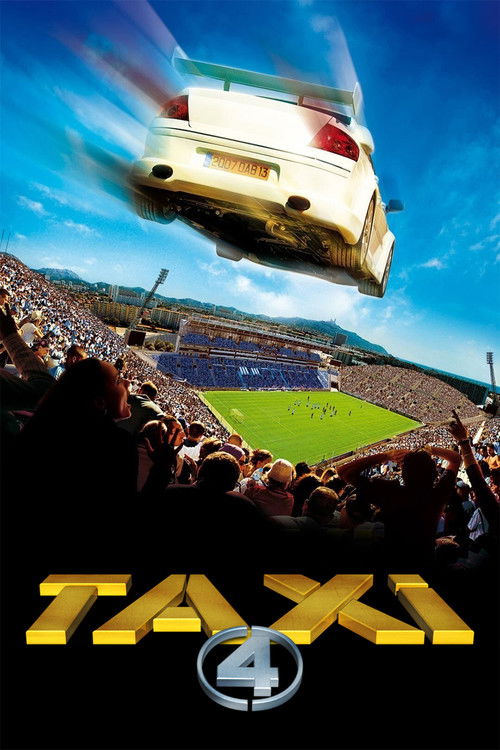
Taxi 4 operates as a high-octane commercial action-comedy that prioritizes genre clichés over sociopolitical depth. While it captures the multi-ethnic essence of its Marseille setting, the narrative remains tethered to conventional social structures. The film succeeds in presenting a diverse urban environment, avoiding the homogeneity of many Western action films. However, this ethnic authenticity is integrated into the background rather than serving as a central thematic pillar. Ultimately, the lack of multi-layered complexity and the heavy reliance on male-centric control results in a narrow perspective. The film adheres to established comedic archetypes rather than challenging existing norms.
Category Breakdown
The film focuses almost exclusively on heterosexual and cisgender social structures. There is no discernible presence of LGBTQ+ characters or explorations of non-traditional gender identities.
The narrative centers on the professional partnership and friendship between male leads. Women occupy secondary roles that support the central male-driven plot without challenging traditional gender roles.
Reflecting Marseille's multicultural landscape, the film features significant North African and Mediterranean representation. This provides a sense of urban authenticity through diverse, multi-ethnic casting.
The film depicts a stylized, dysfunctional relationship with institutional authority through slapstick comedy. It leans toward traditional action clichés rather than exploring deeper institutional critiques.
There is no visible or invisible disability representation within the primary character arcs. The film does not utilize disability as a narrative device.
Present on Screen
Limited or Absent
Official Synopsis
Before being extradited to Africa to stand trial, a notorious Belgian criminal is entrusted to the Marseilles police department for less than 24 hours. But the wily crook convinces bumbling policeman Emilien he's a lowly Belgian embassy employee who got railroaded by the brilliant master criminal.
2003
1997
2018
2001
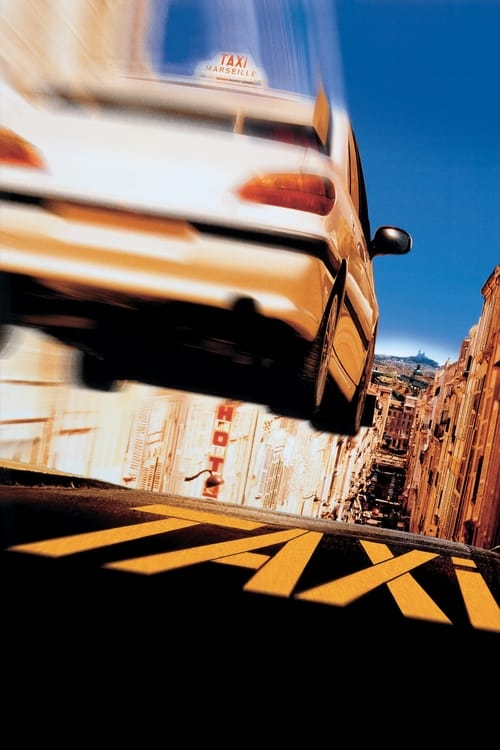
1998
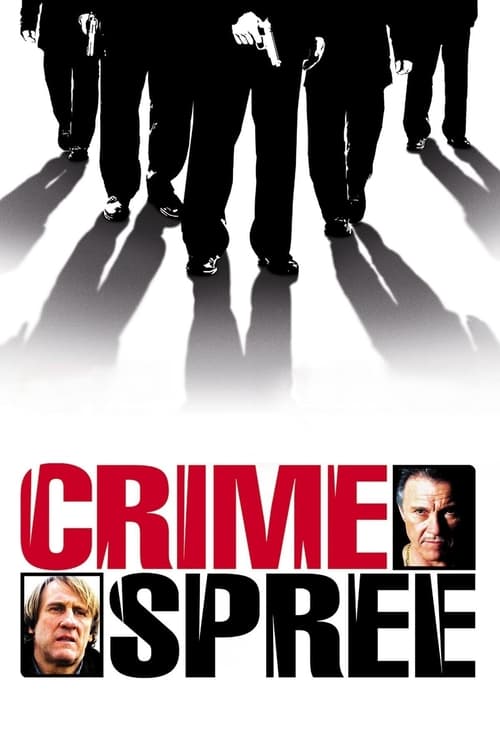
2003
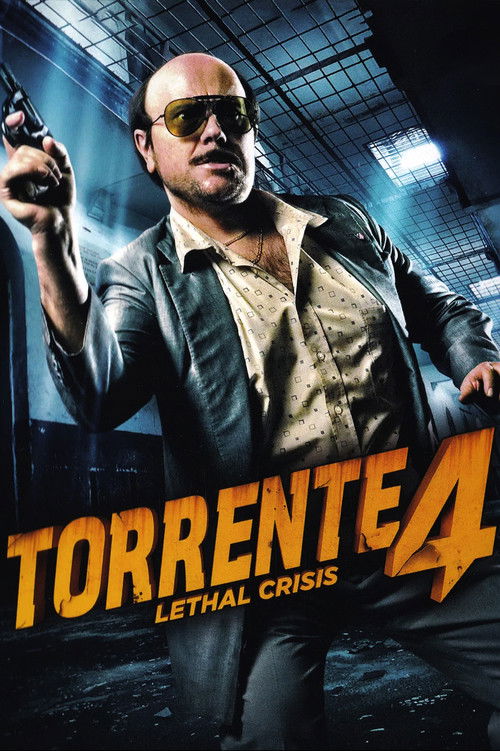
2011
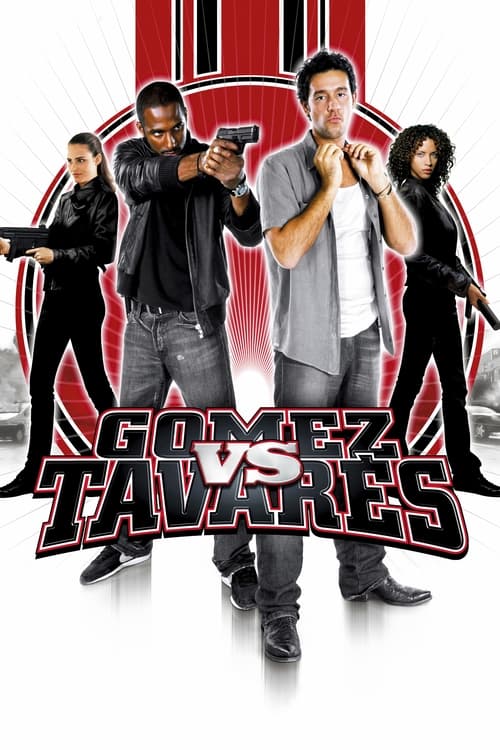
2007
No reviews yet. Be the first to share your thoughts on this movie!
Use the rating form above to leave a star rating and optional review.