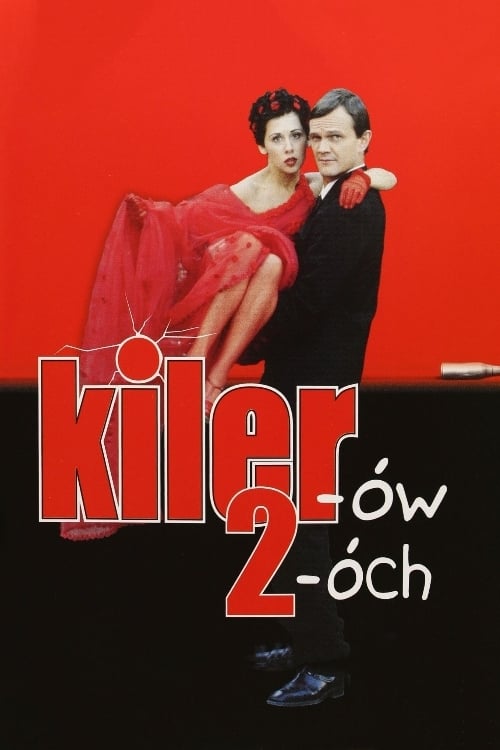
Killer 2
1999
No user ratings available yet
Representation score: 5.5 out of 10

Representation Score
Minimal
1997
Director
Juliusz Machulski
Runtime
104 minutes
Average Rating
No ratings yetNew Showbiz Analysis
Kiler is a film that reflects the unique cultural context of post-communist Poland, blending crime and comedy genres. Its narrative focuses on a male protagonist navigating a society in transition, emphasizing individual survival rather than diverse representation. The film’s strength lies in its subversion of crime clichés, but it does not engage deeply with identity politics. Due to its focus on a male-dominated criminal hierarchy, it lacks the broad scope needed for a higher diversity score. Ultimately, Kiler serves as a specific example of Polish cinema during a particular time period. It captures the essence of a changing society but does not incorporate diverse representation or progressive demographic frameworks.
Category Breakdown
The film does not include any characters or stories related to LGBTQ+ identities. The social setting emphasizes a male-dominated criminal world without addressing non-straight relationships.
The story heavily features masculine characters. Women play supporting roles without having much influence to change the existing patriarchal system.
The cast is mostly made up of people from similar backgrounds, reflecting the cultural context of 1990s Poland. There is no indication of diverse ethnic backgrounds being used to challenge the status quo.
The film explores moral ambiguity within a criminal underworld where survival trumps conventional morality. It does not explicitly critique systemic issues, focusing instead on individual decision-making.
There are no characters with visible or invisible disabilities. None of the characters have storylines centered around neurodivergence or physical impairments.
Present on Screen
Limited or Absent
Official Synopsis
An innocent cab driver is mistaken for a contract killer and imprisoned. Soon, he is sprung by a mob boss who needs a "killer" for a few more jobs.
1999

2004

2018

2001

2020

2005

2002
1997
No reviews yet. Be the first to share your thoughts on this movie!
Use the rating form above to leave a star rating and optional review.