The Beach House
2020
No user ratings available yet
Representation score: 3.7 out of 10
Representation Score
Limited
2009
Not RatedDirector
John Hijiri
Runtime
70 minutes
Average Rating
No ratings yetNew Showbiz Analysis
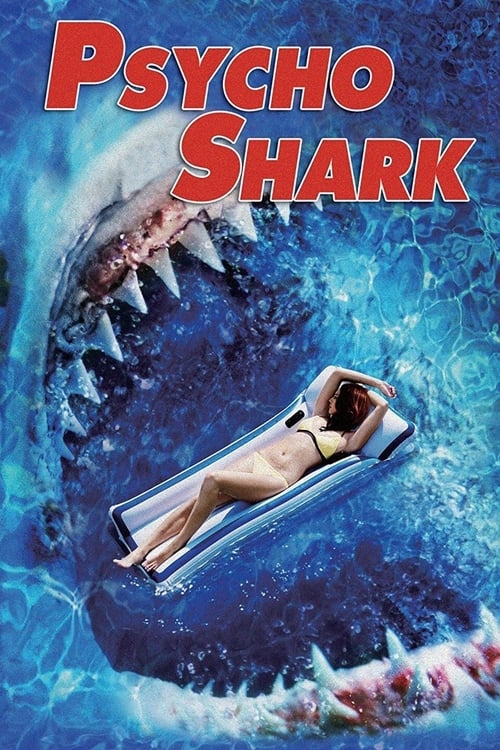
Psycho Shark operates within the established boundaries of the horror and thriller genres. It relies heavily on conventional character archetypes rather than subverting social hierarchies or exploring multi-layered identities. The narrative structure centers on a survivalist mystery that reinforces traditional power dynamics. The tension is driven by a male stranger guiding vulnerable female protagonists, a common cliché in the genre. While the character names suggest specific ethnic backgrounds, the film lacks a meaningful exploration of cultural or racial identity. It remains a straightforward genre piece without progressive narrative architecture.
Category Breakdown
The film focuses on interactions between two female students and a male stranger. There is no indication of LGBTQ+ identities or narratives that challenge assumptions about straight relationships.
The story uses traditional gender roles, placing female characters in vulnerable positions. While Miki shows intuition, the power dynamic favors a male figure in a position of authority.
Characters Miki and Mai suggest East Asian heritage, but the plot lacks depth regarding ethnic identity. The narrative does not explore systemic power or cross-cultural dynamics.
The film adheres to standard Westernized horror clichés. It lacks critiques of institutions or themes of moral relativism, focusing instead on a survivalist mystery.
The narrative provides no information regarding characters with visible or invisible disabilities, neurodivergence, or chronic health conditions.
Present on Screen
Limited or Absent
Official Synopsis
Beautiful girls are in danger. At Sunny Beach, a huge shark is waiting for his prey. College students Miki and Mai arrive on a private beach on a tropical island. They can't find the hotel where they booked their reservations, and have gotten hopelessly lost, until a handsome young man shows up, offering to take them to his lodge. But something is not right about the place. The owner's fingernails are tainted with blood and Miki feels something sinister lurking nearby.
2020
2010
2022

2011
2006
1983

2005
2001
No reviews yet. Be the first to share your thoughts on this movie!
Use the rating form above to leave a star rating and optional review.