
The Brittany Murphy Story
2014
No user ratings available yet
Representation score: 3.9 out of 10
Representation Score
Limited
1990
Director
Gilbert Cates
Runtime
97 minutes
Average Rating
No ratings yetNew Showbiz Analysis
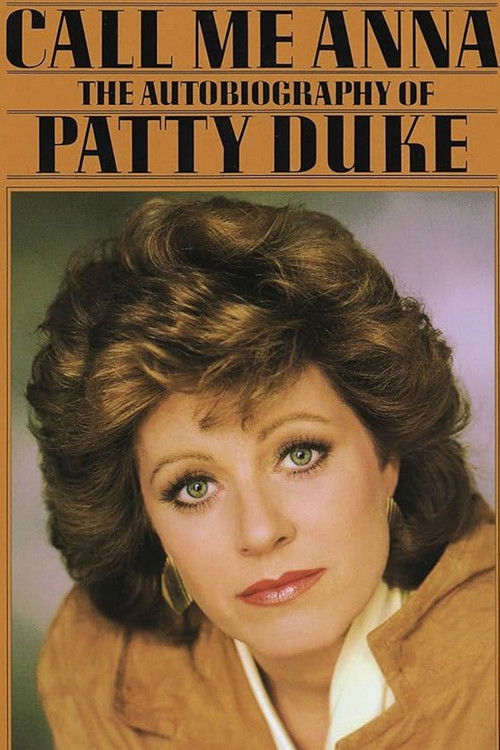
Call Me Anna is a traditional biographical drama focusing on the personal journey of a child star. While the film provides a compelling look at female resilience and domestic life, it remains firmly anchored in the social norms of its time. The production lacks complexity in representing diverse identities, presenting a largely uniform view of mid-century America. It prioritizes character-driven storytelling over systemic critiques or disruptions of established social hierarchies. Ultimately, the film serves as a conventional TV biopic, emphasizing individual struggle and family ties rather than diverse or progressive social perspectives.
Category Breakdown
The film does not include any characters with non-binary or LGBTQ+ identities, nor does it show any same-sex relationships.
The story centers around the resilience and domestic life of the female characters, particularly the protagonist and her grandmother. However, it stays within traditional gender roles and hierarchies of the mid-20th century.
Set in mid-20th century America, the cast and setting are primarily white with no evident ethnic diversity or casting actors outside their traditional backgrounds.
This biographical drama follows a straightforward storyline typical of the biopic genre. It highlights familial bonds without challenging Western social structures or institutions.
While the film delves into psychological struggles and emotional turmoil, it does not clearly represent neurodivergence or specific mental health conditions. Characters are not given opportunities to act based on their disabilities.
Present on Screen
Limited or Absent
Official Synopsis
Patty Duke portrays herself in this made-for-tv biopic about her struggles as a child star growing into adulthood.
2014

2001

1980

1990

2017
1982
1991

1979
No reviews yet. Be the first to share your thoughts on this movie!
Use the rating form above to leave a star rating and optional review.