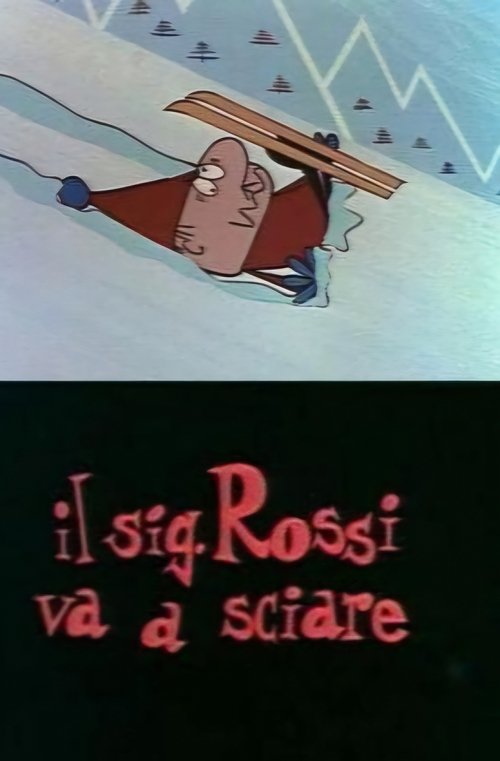
Mr. Rossi Goes Skiing
1963
No user ratings available yet
Representation score: 1.6 out of 10
Representation Score
Limited
1960
Director
Bruno Bozzetto
Runtime
11 minutes
Average Rating
No ratings yetNew Showbiz Analysis
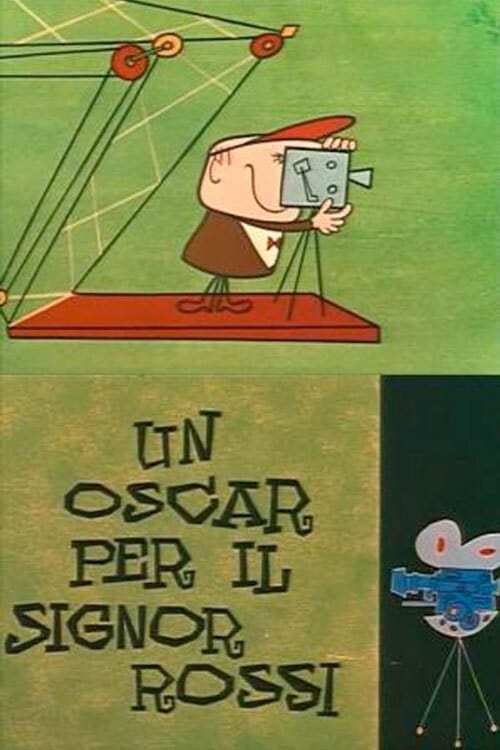
An Award for Mr. Rossi is a period-specific comedic study that reflects the socio-cultural constraints of 1960. While Bruno Bozzetto is a pioneer of Italian animation known for social satire, the film lacks explicit characters who reflect more than one aspect of diversity. The work functions primarily as a critique of institutional norms through caricature. However, it remains rooted in the homogeneous demographic and gender hierarchies of its time. Without specific evidence of diverse identities, the film serves more as a historical snapshot of mid-century social structures than a vehicle for progressive representation.
Category Breakdown
The film does not include any explicit LGBTQ+ characters or narratives. It operates within the conventional social frameworks of 1960s Italy.
The narrative likely engages with traditional social roles typical of the era. There is no evidence of women challenging masculine authority or occupying positions of superior intellect.
The film reflects the homogeneous demographic standards of 1960s Italy. The narrative structure lacks a diverse or non-Anglo-Saxon majority cast.
The premise explores the relationship between an individual and institutional validation. Bozzetto’s satirical style suggests a critique of the mechanisms of success.
There is no verifiable evidence regarding the portrayal of physical or neurodivergent characters in this work.
Present on Screen
Limited or Absent
Official Synopsis
Mister Rossi wins an Oscar.
1963
1966
1964
1995

2000
1959

1948

1953
No reviews yet. Be the first to share your thoughts on this movie!
Use the rating form above to leave a star rating and optional review.