The Seventh Stream
2001
No user ratings available yet
Representation score: 1.6 out of 10
Representation Score
Fair
1998
TV-PGDirector
Thom Eberhardt
Runtime
120 minutes
Average Rating
No ratings yetNew Showbiz Analysis
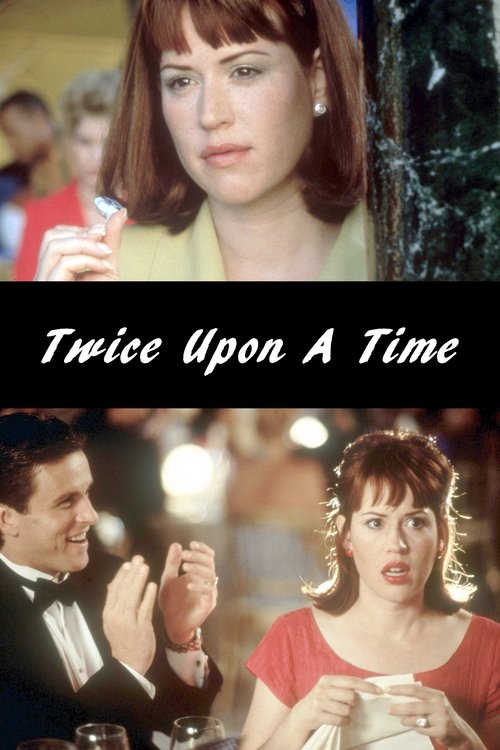
Twice Upon a Time operates as a conventional late-90s fantasy-romance that prioritizes personal escapism. The narrative structure relies on established genre clichés rather than deconstructing social hierarchies or promoting diverse identities. The film centers on straight-centered romantic restoration. While the female protagonist initiates the plot through a magical wish, the ultimate goal remains a traditional romantic resolution with a male partner. Overall, the production lacks evidence of diverse casting or narrative subversion. It remains a character study of individual dissatisfaction within a standard television drama framework.
Category Breakdown
The story revolves around a romantic reunion between a woman and her boyfriend. There are no queer romantic storylines or characters with non-traditional gender identities.
The protagonist drives the plot through her desire for change. However, the resolution emphasizes traditional romantic structures by focusing on her relationship with a male partner.
The film's racial composition is unconfirmed. Given the production era, the casting likely follows the period's tendency toward homogeneity without intentional ethnic blending.
Themes center around individual romantic fulfillment rather than socio-political commentary. Fantasy elements support personal emotional journeys rather than critiquing institutions or organized religion.
The protagonist's unhappiness is portrayed as an emotional state. There is no indication that neurodivergence or physical disabilities influence the character arcs.
Present on Screen
Limited or Absent
Official Synopsis
An unhappy woman makes a wish for a different life which whisks her to a parallel world where she falls back in love with her boyfriend.
2001

2019

1971

2015
2009
2015
1997

2000
No reviews yet. Be the first to share your thoughts on this movie!
Use the rating form above to leave a star rating and optional review.