Hermanoteu In the Land of Godah
2009
No user ratings available yet
Representation score: 4.6 out of 10
Representation Score
Fair
1980
PGDirector
Gary Weis
Runtime
103 minutes
Average Rating
No ratings yetNew Showbiz Analysis
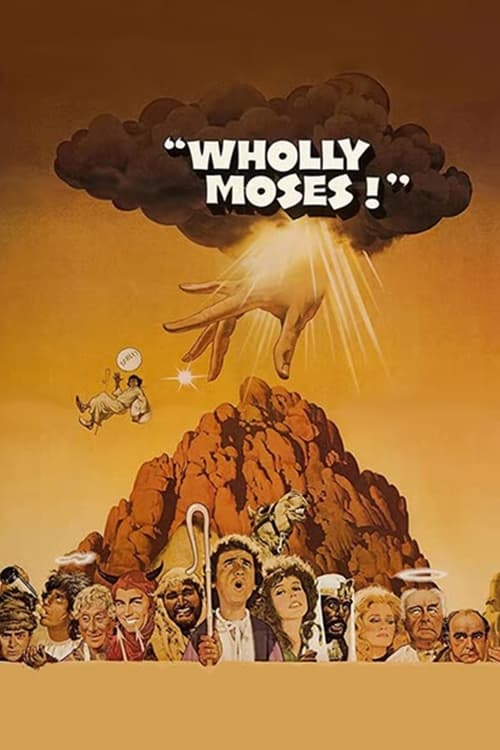
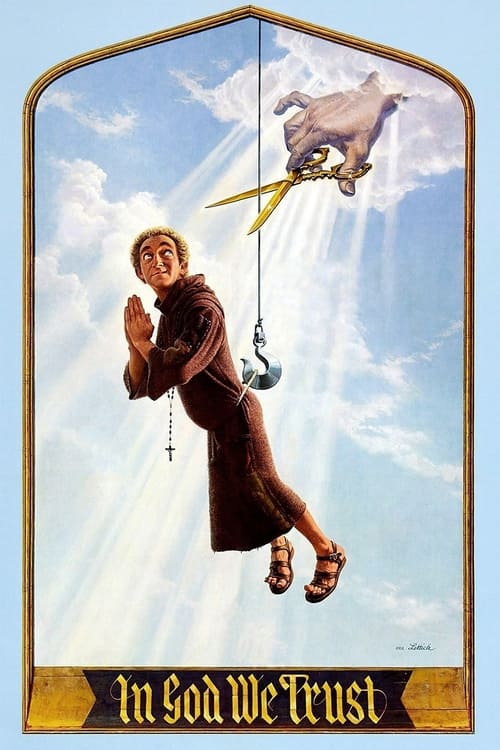
Wholly Moses is a revisionist comedy that uses a 'hidden history' framework to challenge monolithic narratives. By focusing on Herschel, a figure sidelined by the traditional biblical canon, the film disrupts conventional hierarchies of historical importance. The narrative shifts attention from a celebrated icon to a displaced protagonist, critiquing how credit and legacy are distributed. This approach allows for a skeptical, secularized view of foundational Western and Middle Eastern myths. While the film excels at cultural and narrative deconstruction, it lacks specific data on LGBTQ+ or disability representation. The inclusion of a female co-protagonist moderately enhances gender representation.
Category Breakdown
The film doesn't explicitly confirm any LGBTQ+ characters or non-cisgender identities. However, its theme of questioning foundational religious stories hints at a willingness to explore non-traditional social structures.
Zoey and Harvey both serve as co-protagonists, offering a more balanced perspective compared to a typical male-centric epic. This dual-protagonist setup helps challenge the 'great man' theory of history.
Set in Israel and focusing on the liberation of enslaved people, the film explores ethnic identity within a dominant cultural myth. It delves into the complexities of representation within this context.
The film intentionally critiques traditional religious institutions. It questions the sanctity of religious texts by suggesting the official story of Moses might misattribute credit.
There is no information about the portrayal of physical or neurodivergent disabilities in the narrative.
Present on Screen
Limited or Absent
Official Synopsis
Harvey and Zoey, two tourists in Israel, discover an ancient scroll about Herschel, the man who was almost Moses. Herschel receives the command from God to free his people from slavery, but Moses keeps getting all the credit.
2009
2011
2022

1964
2010
1965
1980

1977
No reviews yet. Be the first to share your thoughts on this movie!
Use the rating form above to leave a star rating and optional review.