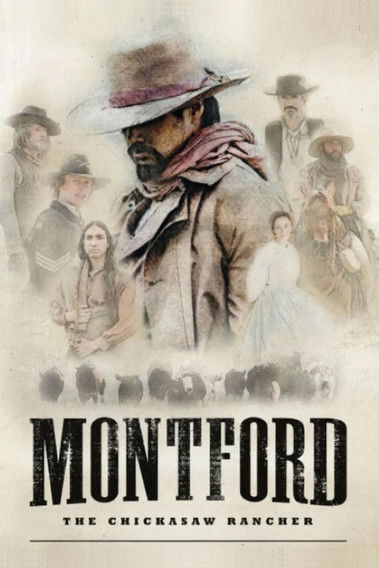
Montford: The Chickasaw Rancher
2021
No user ratings available yet
Representation score: 5.8 out of 10
Representation Score
Fair
2002
RDirector
Larry Clark
Runtime
124 minutes
Average Rating
No ratings yetNew Showbiz Analysis
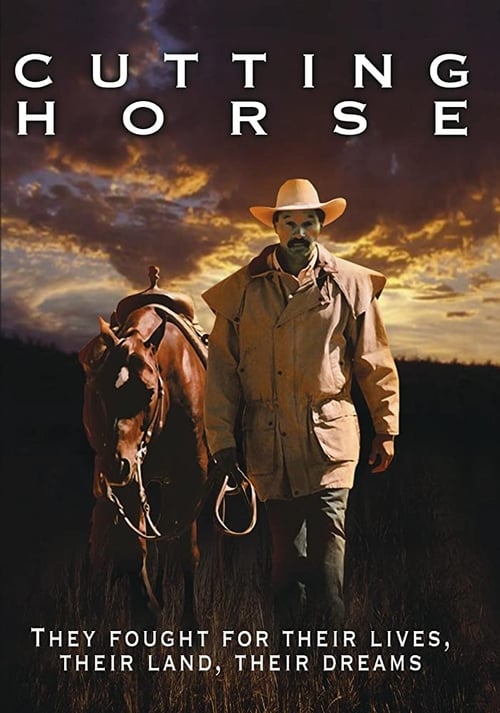
Cutting Horse is primarily a genre-driven drama centered on the tension between traditional ranching life and corporate encroachment. While the film lacks explicit multi-layered casting or diverse demographic representation, it finds depth through its thematic critique of systemic power. The narrative's strength lies in its social commentary regarding the erosion of local autonomy. However, the film adheres to conventional Western demographic compositions, offering little in the way of racial or LGBTQ+ visibility. Ultimately, the film's diversity is more thematic than demographic, prioritizing a critique of institutionalized capitalism over a broad spectrum of identity-based representation.
Category Breakdown
The film does not include any explicit LGBTQ+ characters or explore non-straight relationships. While the director often addresses various underrepresented groups, this particular story focuses on ranching and corporate conflicts.
The story centers around a male protagonist and his uncle, who face threats from both family and corporations. Although it may challenge traditional patriarchal structures, there are no specific details about diverse gender roles.
The setting suggests a reliance on traditional Western stereotypes. There is no indication of a non-Anglo-Saxon majority cast or intentional efforts towards racial diversity within the ranching context.
The film strongly critiques capitalist expansion and corporate dominance. It highlights the struggle of local autonomy against institutional power as a central theme.
There is no mention of characters with physical, neurodivergent, or mental health conditions in the provided narrative context.
Present on Screen
Limited or Absent
Official Synopsis
Writer-director Larry Clark fashions a moving drama about a horse trainer who comes home after years of estrangement, only to find that a corporate entity has made an aggressive play to take over his uncle’s ranch.
2021
1972
2017
2000
1996

1994
1994
1961
No reviews yet. Be the first to share your thoughts on this movie!
Use the rating form above to leave a star rating and optional review.