Cutting Horse
2002
No user ratings available yet
Representation score: 4.7 out of 10
Representation Score
Limited
2017
Director
Paul Krizan
Runtime
98 minutes
Average Rating
No ratings yetNew Showbiz Analysis
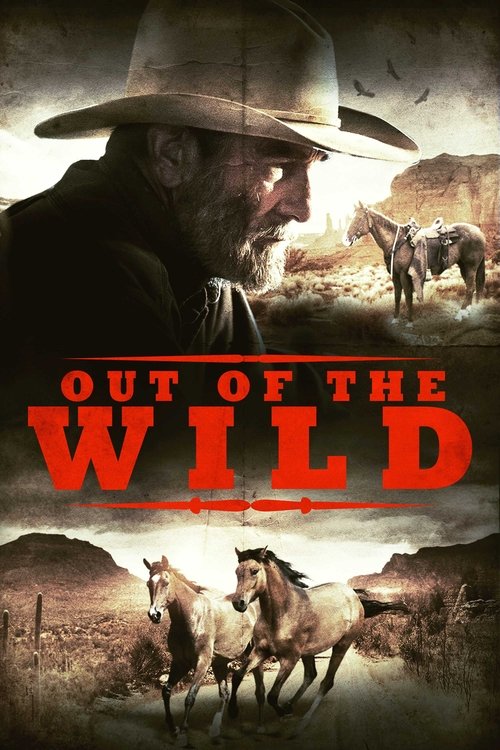
Out of the Wild operates primarily within the traditional framework of the Western genre. It relies on established archetypes, such as the rugged, individualist cowboy, which limits its capacity for systemic narrative subversion. While the film offers a slight departure from traditional gender roles through its female lead, the narrative largely reinforces conventional clichés. The story focuses on personal redemption and the relationship between man and nature rather than multi-layered identity. Ultimately, the film functions as a standard genre piece. It lacks the diverse casting or queer-coded subtext necessary to move beyond the historically homogeneous depictions of the American West.
Category Breakdown
The film does not include any explicit LGBTQ+ characters or non-straight identities. The main relationship follows a conventional dramatic structure typical of Western films.
Jessie King challenges traditional gender roles as a no-nonsense rancher and business owner. However, her character arc still follows typical companion clichés.
The story centers on a traditional cowboy archetype without showing a multicultural cast. It seems to follow the historically homogeneous depictions common in Western films.
The story emphasizes individual redemption and hard work, following a classic arc focused on personal perseverance rather than institutional critique.
There is no clear depiction of physical or neurodivergent disabilities. The protagonist's struggles with alcohol are shown as typical dramatic flaws.
Present on Screen
Limited or Absent
Official Synopsis
The story of Henry McBride, a down and out cowboy with a painful past he can't drink away. Living on his last dollar with nowhere to go, he ends up working the last place an old cowboy wants to be: A dude ranch. It is here he meets the owner, Jessie King, a no-nonsense rancher with a deep love for horses. McBride's self-discovery begins when she introduces him to a new way of training a troubled mustang, a horse whose past and temperament mirror his own.
2002
2019
2021
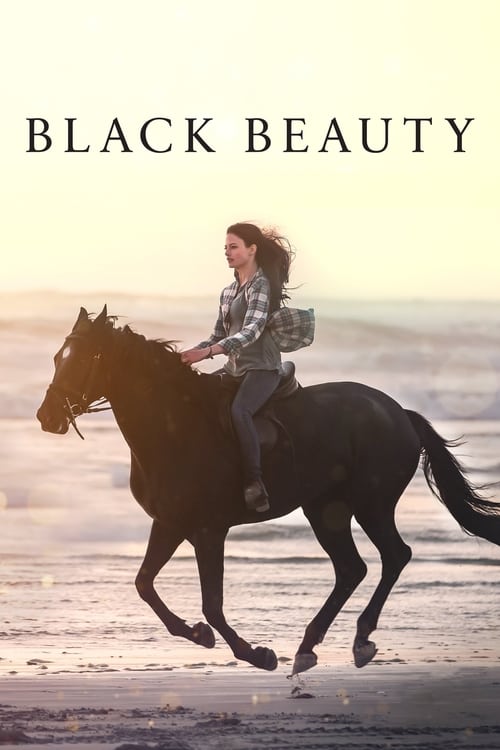
2020

2025
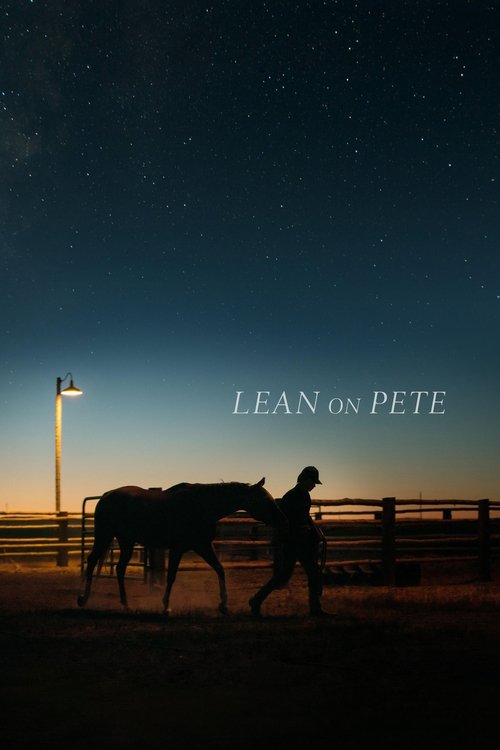
2018
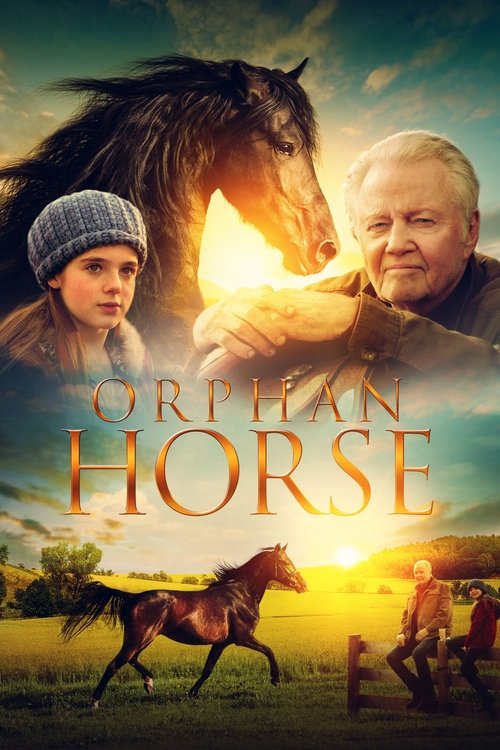
2018
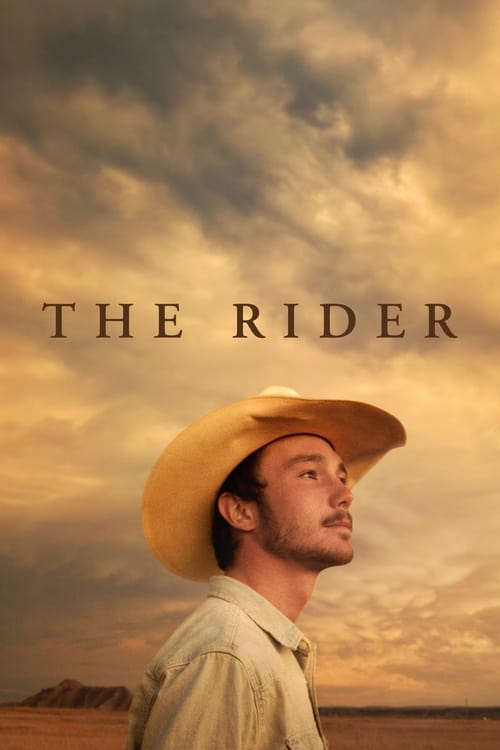
2018
No reviews yet. Be the first to share your thoughts on this movie!
Use the rating form above to leave a star rating and optional review.