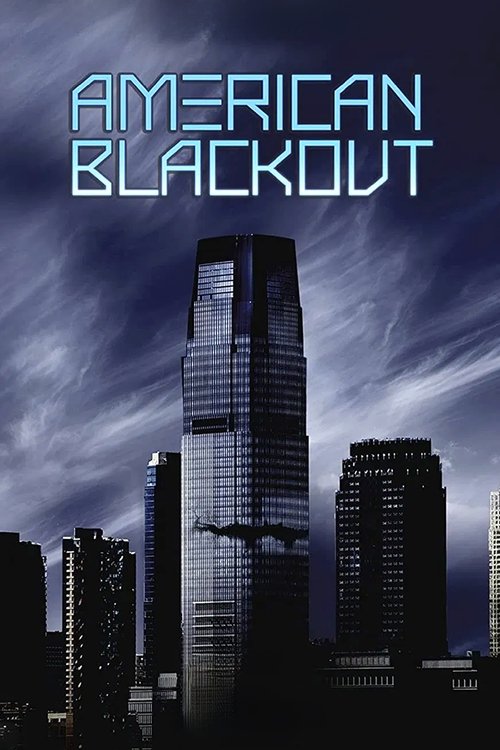
American Blackout
2013
No user ratings available yet
Representation score: 2.9 out of 10
Representation Score
Minimal
2017
Director
Paul Bozymowski, Nathaniel Kahn
Runtime
0 minutes
Average Rating
No ratings yetNew Showbiz Analysis
The Dark Side of The Sun is a documentary centered on a speculative doomsday scenario involving long-term power grid failure. Since the subject matter focuses on systemic infrastructure and human panic, the film lacks the framework for nuanced identity representation. The work functions as a study of societal collapse rather than a character-driven narrative. Consequently, there is a notable absence of intentional storytelling regarding underrepresented groups or multi-layered identities. Ultimately, the film's focus on the mechanics of a disaster leaves little room for the exploration of social hierarchies or diverse human experiences.
Category Breakdown
The film centers on the impact of a power outage and societal panic, with no evidence of LGBTQ+ characters or narratives addressing non-cisgender identities.
The narrative emphasizes the macro-societal impact of utility failure and does not address gendered power dynamics or the subversion of traditional gender hierarchies.
The story depicts a generalized population reacting to a disaster, with no specific evidence regarding the demographic makeup or the ability to act of characters of color.
The premise explores the fragility of Western infrastructure and the breakdown of social order, focusing on existential dread rather than specific cultural or ideological frameworks.
The survivalist exploration does not mention neurodivergence, physical disabilities, or chronic illness as central elements of the narrative.
Present on Screen
Limited or Absent
Official Synopsis
There are times, especially during a severe thunderstorm, when the power goes out temporarily. A minor inconvenience for most people, since they know that their power will be quickly restored. Even during major events like ice storms, where the power can be disrupted for days or even weeks, the lights will eventually come back on. If the power went out and didn’t return for a year or more, it’s a good bet that panic would set in once people realized something more ominous was happening, other than a temporary power outage. It sounds like a good scenario for a doomsday movie, but this event could actually occur.
2013
2008
2010
2021
2014
2009
2014
2019
No reviews yet. Be the first to share your thoughts on this movie!
Use the rating form above to leave a star rating and optional review.