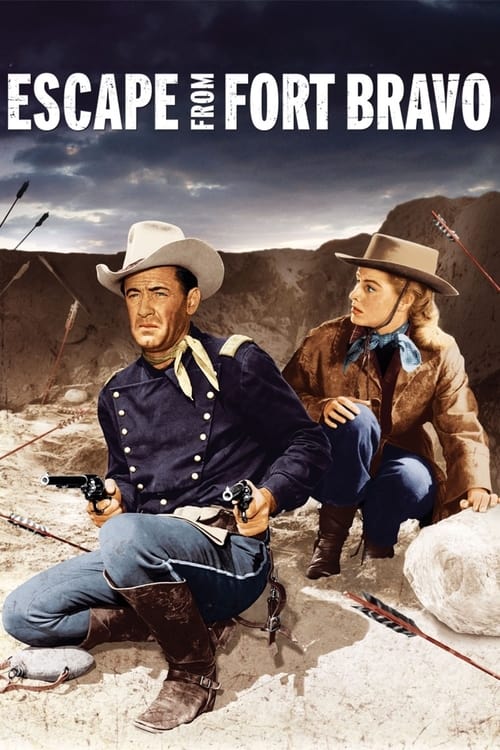
Escape from Fort Bravo
1953
No user ratings available yet
Representation score: 0.6 out of 10

Representation Score
Minimal
1953
NRDirector
Gordon Douglas
Runtime
95 minutes
Average Rating
No ratings yetNew Showbiz Analysis
The Charge at Feather River is a quintessential mid-century Western that reinforces traditional social and racial hierarchies. The narrative structure prioritizes conventional masculine leadership and adheres strictly to the era's established cinematic conventions. By framing indigenous populations as external threats to progress and centering white male authority, the film upholds the period's standard of frontier justice. It offers no disruption of traditional demographic norms or institutional values.
Category Breakdown
The film operates within a strictly straight-centered framework. There are no depictions of non-binary gender identities or same-sex relationships.
Narrative ability to act is concentrated almost exclusively in male characters. While two women are mentioned, they serve as passive motivations for male action rather than independent actors.
The story utilizes a binary framework where white settlers are the protagonists and Native Americans are framed as a monolithic antagonistic force. This reinforces colonial-era power dynamics.
The film celebrates archetypal pioneer values and the defense of established social orders. It lacks any critique of Western institutions or frontier justice.
There are no prominent depictions of visible or invisible disabilities that contribute to character depth or drive the narrative.
Present on Screen
Limited or Absent
Official Synopsis
A frontier scout leads prisoners on a death mission to save a railroad and rescue two women.
1953
1960
1958
1966
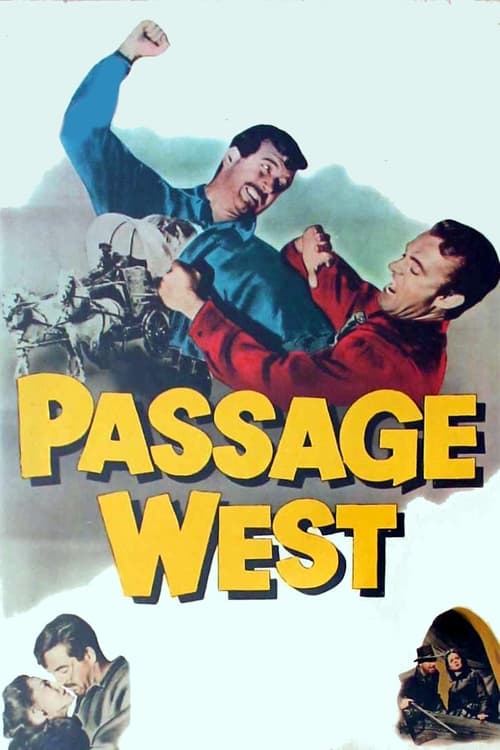
1951
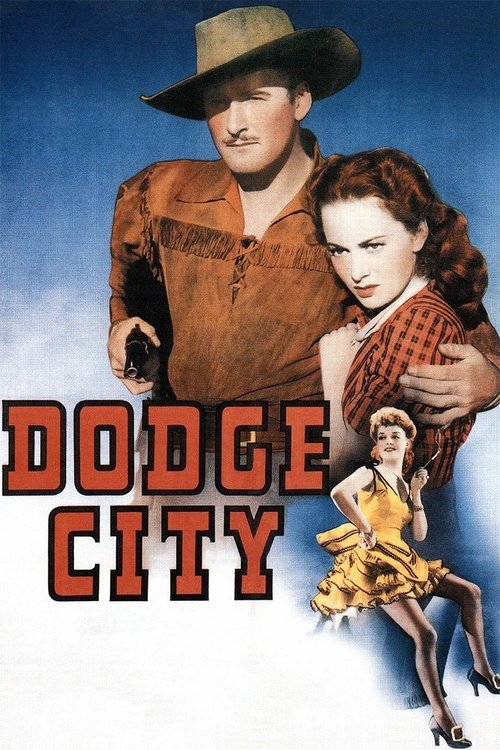
1939
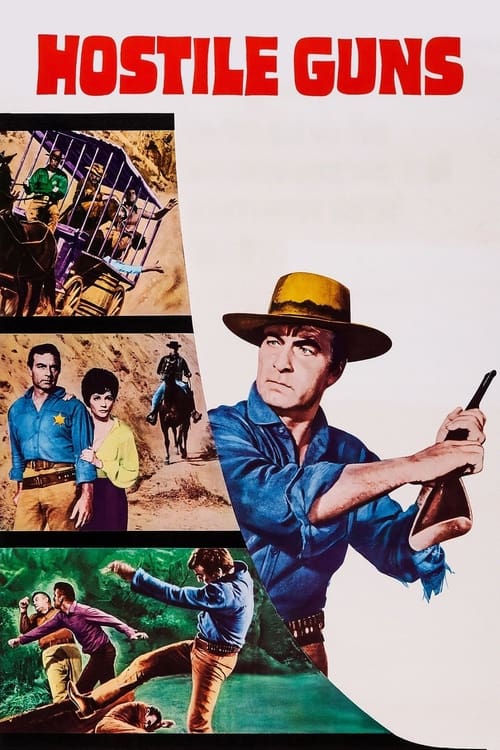
1967
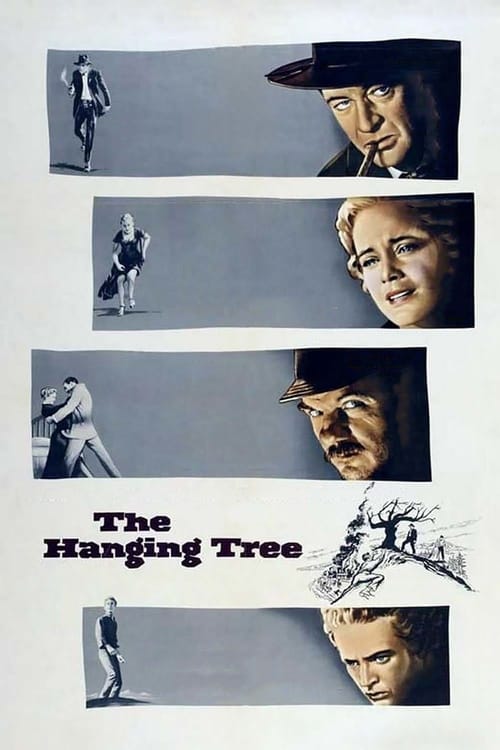
1959
No reviews yet. Be the first to share your thoughts on this movie!
Use the rating form above to leave a star rating and optional review.