Live a Little
2025
No user ratings available yet
Diversity score: 6.6 out of 10
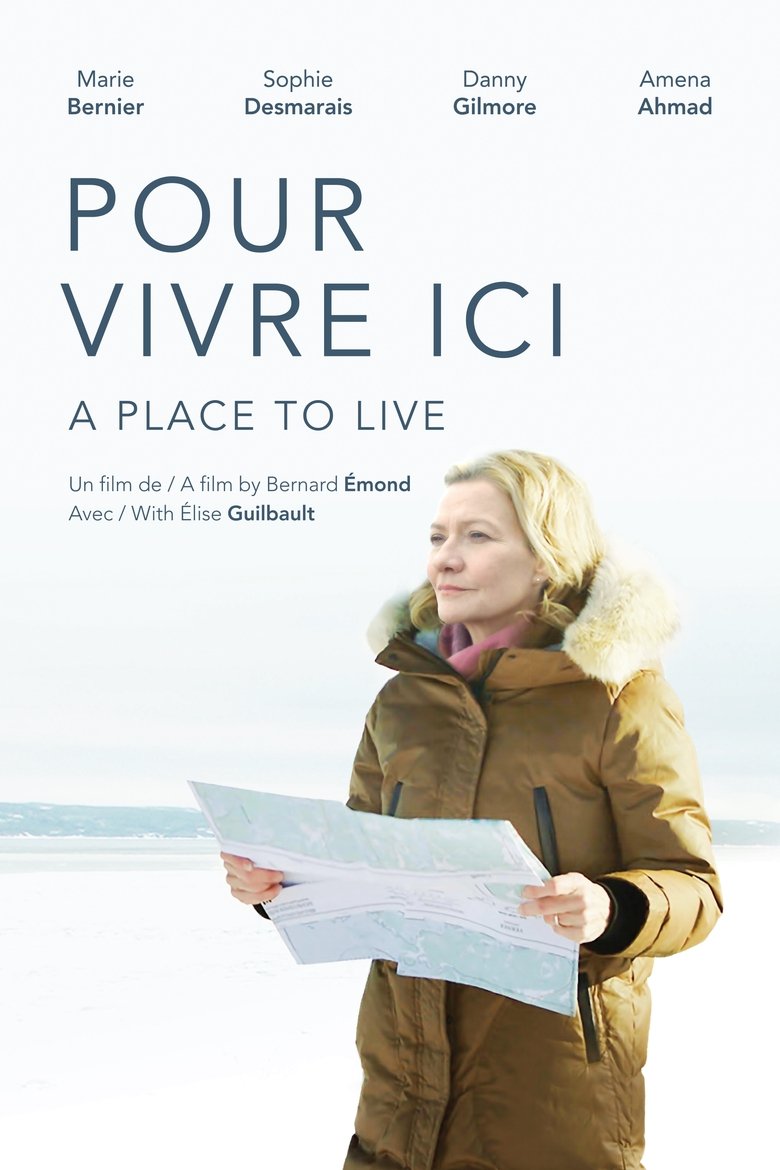
2018
Director
Bernard Émond
Runtime
90 minutes
Average Rating
No ratings yetSynopsis
A recent widow living in a small Quebec town goes to Montreal to visit her busy adult son and daughter, and then on a whim decides to travel to the town of her childhood, where she hadn't set foot in decades.
Overall Score
Fair
Category Breakdown
LGBTQ+ Representation
The film centers on a widow's domestic and familial transitions. There is no explicit evidence of LGBTQ+ identities or non-heteronormative relationship structures within the narrative.
Gender Representation
A female protagonist drives the entire narrative, navigating widowhood and motherhood. This focus on her internal journey and agency provides a departure from traditional male-centered plots.
Racial & Ethnic Diversity
Set in Quebec and Montreal, the film suggests a localized, potentially homogeneous social setting. There is no evidence of high-agency characters of color or intentional racial diversity.
Religious & Cultural Diversity
The story explores memory, loss, and individual emotional truth. It prioritizes personal spiritualities and the deconstruction of life paths over rigid social or organized religious structures.
Disability Representation
The narrative does not feature characters navigating physical, neurodivergent, or mental health disabilities.
Strengths
Areas for Improvement
AI Analysis
Bernard Émond’s drama offers a contemplative, character-driven study of a woman reclaiming her history. By centering on a widow's internal landscape, the film disrupts conventional, action-oriented cinematic structures in favor of quiet, humanistic realism. While the film excels in providing female agency and emotional autonomy, it lacks significant intersectional markers. The setting and narrative focus suggest a more traditional, localized demographic rather than a diverse or radical social critique. Ultimately, the film is a nuanced exploration of aging and memory that prioritizes individual truth over high-concept spectacle.
2025

2023
2021
2018
2015
2017
2021

2017
2015

2020

2018

2019
No reviews yet. Be the first to share your thoughts on this movie!
Use the rating form above to leave a star rating and optional review.