Veil of Tears
2014
No user ratings available yet
Diversity score: 7.8 out of 10
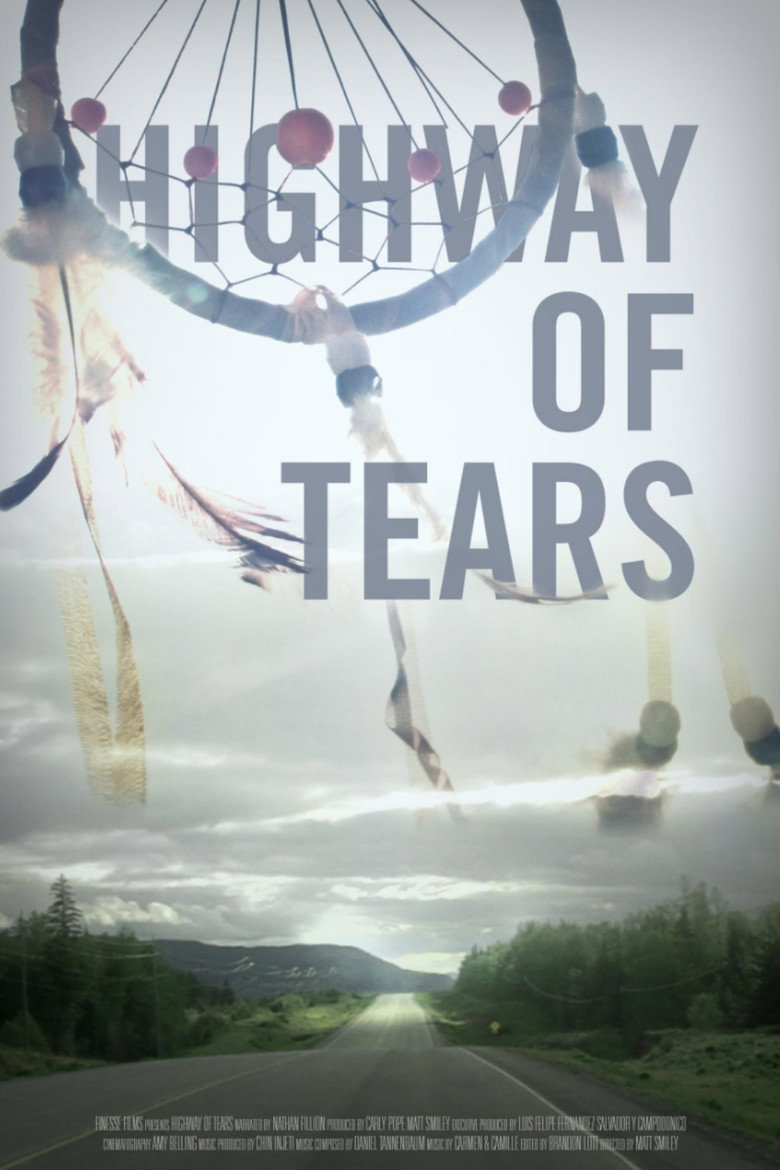
2014
Director
Matthew Smiley
Runtime
76 minutes
Average Rating
No ratings yetSynopsis
In Canada, more than 500 cases of Aboriginal women have gone missing or been murdered since the 1960s. Half the cases have never been solved. Now find out what First Nation leaders are doing to try and swing the pendulum in the other direction.
Overall Score
Excellent
Category Breakdown
LGBTQ+ Representation
The film maintains a neutral stance regarding queer identities. It does not explicitly center non-cisnormative characters or LGBTQ+ specific arcs within its narrative framework.
Gender Representation
The documentary centers the lived experiences and safety of women. It avoids portraying women as passive victims, instead highlighting the agency of First Nation leaders fighting systemic misogyny.
Racial & Ethnic Diversity
The film excels by prioritizing Indigenous agency and leadership. It avoids common true-crime tropes by focusing on the socio-political realities and resilience of First Nations communities.
Religious & Cultural Diversity
The narrative offers a sophisticated critique of Western institutional efficacy. It portrays state and legal frameworks as flawed, emphasizing the necessity of community-led justice and grassroots mobilization.
Disability Representation
There is no significant evidence regarding the portrayal of visible or invisible disabilities within the film's thematic focus.
Strengths
Areas for Improvement
AI Analysis
Highway of Tears is a powerful post-colonial documentary that examines the systemic vulnerabilities of Indigenous women in Canada. It moves beyond simple crime reporting to provide a structural critique of how state institutions fail marginalized communities. The film's strength lies in its refusal to treat disappearances as mere statistics. Instead, it frames the crisis as a direct result of identity-based power imbalances and institutional neglect. While the film is highly effective in its racial and gendered analysis, it lacks specific focus on LGBTQ+ identities or disability representation.
2014
2018

2010
2017
2016

2011
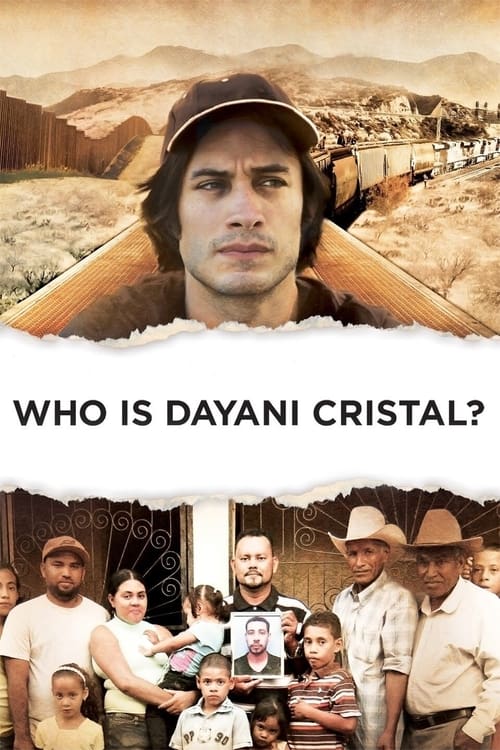
2013
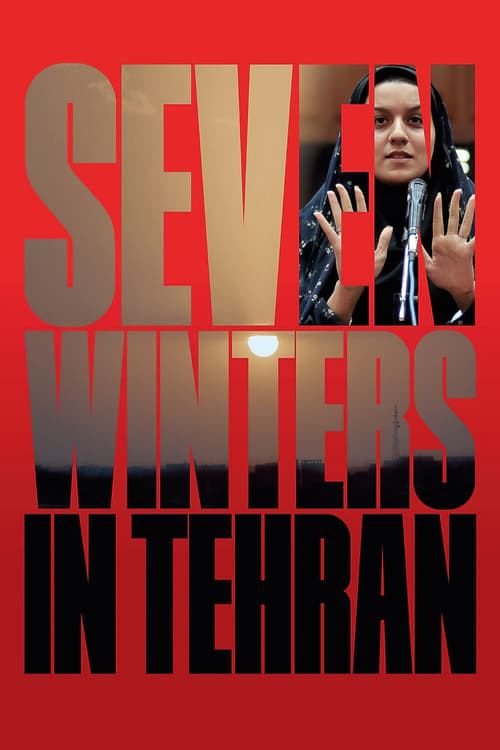
2023
2006
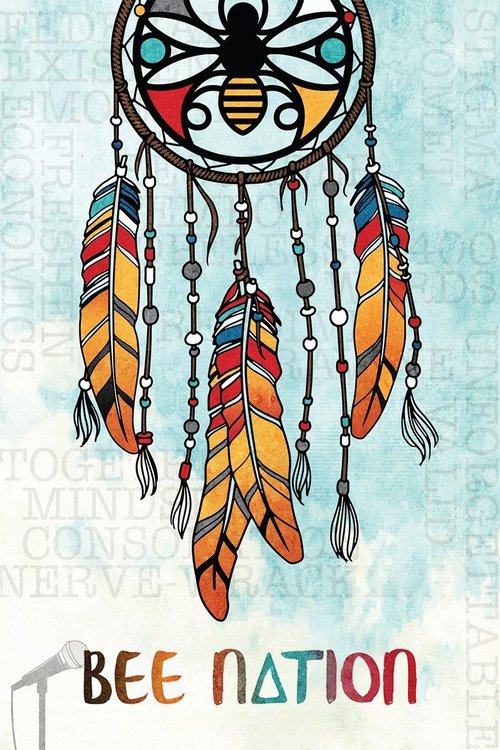
2017
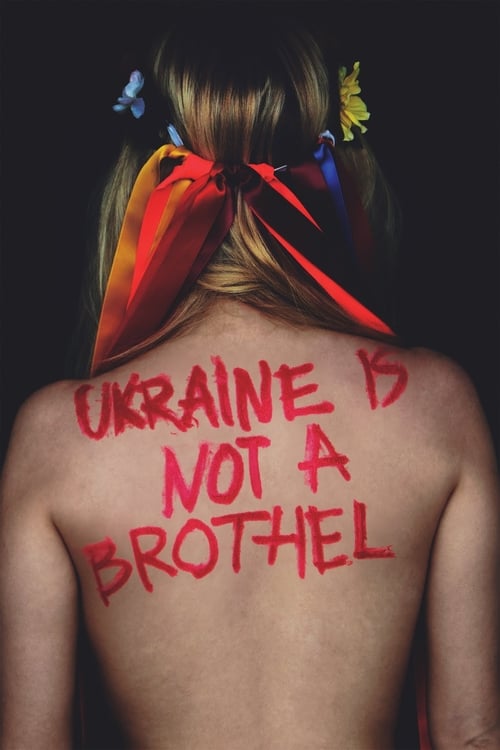
2013
2022
No reviews yet. Be the first to share your thoughts on this movie!
Use the rating form above to leave a star rating and optional review.