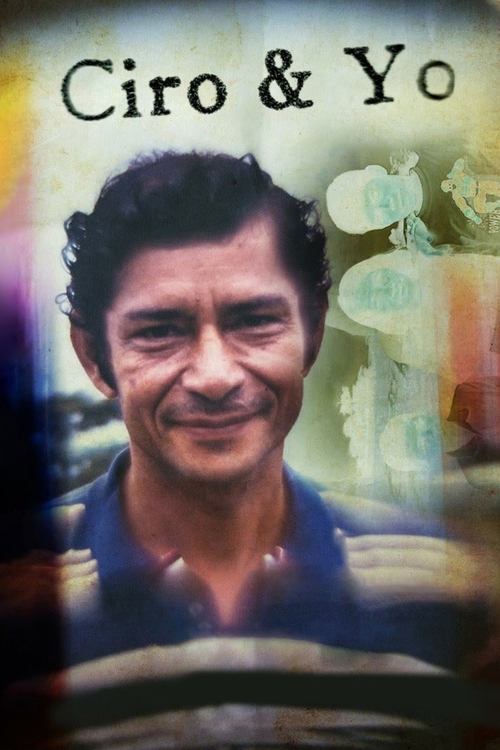
Ciro and Me
2018
No user ratings available yet
Representation score: 8.6 out of 10
Representation Score
Good
2011
Director
Tatiana Huezo
Runtime
100 minutes
Average Rating
No ratings yetNew Showbiz Analysis
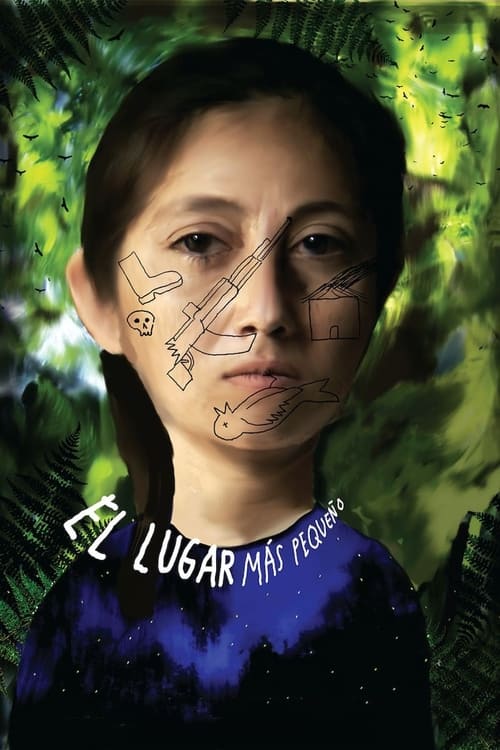
Tatiana Huezo’s documentary shifts the focus away from conventional state-centric narratives of the Salvadoran Civil War. Instead of macro-political mechanics, the film centers on the personal histories of survivors in Cinquera. The film grants a sense of ability to act to a underrepresented community, allowing them to shape their own recovery and memory. This move from broad political narratives to intimate communal experiences provides a nuanced look at resilience. While the film excels in cultural and ethnic representation, it does not provide specific evidence regarding LGBTQ+ identities or disabilities as central themes.
Category Breakdown
The film does not explicitly address LGBTQ+ identities or non-traditional gender expressions. It stays neutral without highlighting these identities or relying on traditional war stories.
The film emphasizes the role of women in rebuilding communities after war. Female survivors play key roles in shaping social continuity in post-war settings.
By focusing on a Salvadoran community, the film provides strong representation of non-Western populations. It highlights the vulnerabilities and resilience of local ethnic groups during civil conflict.
The film challenges Western-centric histories by focusing on Central American experiences. It prioritizes the survivors' moral and cultural connections to their land.
While the film explores the trauma of surviving a civil war, it does not specifically address the portrayal of visible or invisible disabilities as central character arcs.
Present on Screen
Limited or Absent
Official Synopsis
Years after the Salvadoran military destroyed the village of Cinquera in that country’s civil war, survivors have returned to rebuild their community. Soulful, beautifully rendered, this amazing debut is an evocative testament to place, memory and the power of life to rebound from tragedy.
2018
2011

2021
2019
2008

2008
2018
2012
No reviews yet. Be the first to share your thoughts on this movie!
Use the rating form above to leave a star rating and optional review.