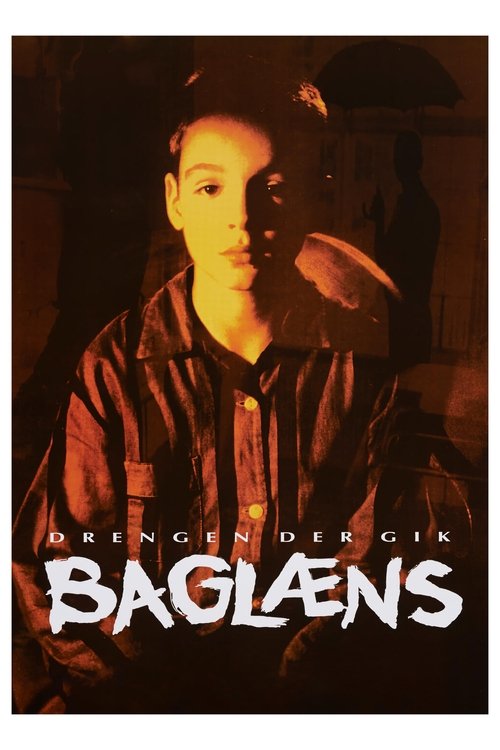
The Boy Who Walked Backwards
1995
No user ratings available yet
Diversity score: 3.7 out of 10

1997
PGDirector
Timothy Hutton
Runtime
98 minutes
Average Rating
No ratings yetSynopsis
Precocious young Harriet and her older sister Gwen live at their mother's motel in small-town New Hampshire. Harriet dreams of a life beyond her inattentive family and the stultifying town. A mentally disabled man named Ricky comes to stay at the motel, and Harriet finds him kinder and more interesting than anyone she has ever met. After tragedy strikes, Harriet and Ricky cling to each other ever more tightly.
Overall Score
Limited
Category Breakdown
LGBTQ+ Representation
The film lacks LGBTQ+ characters or non-cisnormative identities. The narrative focuses entirely on traditional familial bonds and interpersonal relationships within a heteronormative framework.
Gender Representation
Harriet provides a strong sense of female agency and intellect. While women drive the emotional core, the story focuses on family complexity rather than dismantling gender hierarchies.
Racial & Ethnic Diversity
The setting and cast reflect a predominantly homogeneous white demographic. There is no significant non-white representation or diverse casting within this small-town New Hampshire environment.
Religious & Cultural Diversity
The drama prioritizes subjective emotional truths over religious morality. It uses a family-run motel as a standard backdrop rather than a platform for systemic cultural critique.
Disability Representation
Ricky is portrayed as a character with a distinct personality rather than a mere plot device. This provides a nuanced look at neurodivergence through human connection.
Strengths
Areas for Improvement
AI Analysis
Digging to China is a localized character study that prioritizes emotional realism over intersectional breadth. It succeeds in providing a nuanced depiction of disability through the character of Ricky, who offers a meaningful connection to the protagonist. However, the film remains rooted in a conventional social framework. It lacks significant racial diversity and offers almost no LGBTQ+ representation, reflecting a very narrow demographic scope. While female agency is central to the story, the film does not engage with broader systemic or political themes, focusing instead on the intimate dynamics of a fragmented family unit.
1995
1993

2018

2000

2014

2018

2012

2017

2010

2017

2012
2002
No reviews yet. Be the first to share your thoughts on this movie!
Use the rating form above to leave a star rating and optional review.