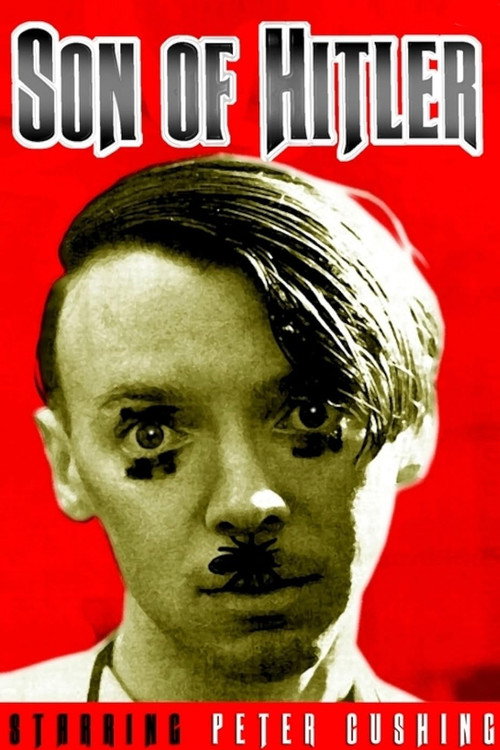
Son of Hitler
1979
No user ratings available yet
Representation score: 1.5 out of 10

Representation Score
Limited
1981
Director
Panos Glykofrydis
Runtime
84 minutes
Average Rating
No ratings yetNew Showbiz Analysis
The Big Cannon uses a comedic lens to explore the infiltration of extremist ideologies into the domestic sphere. By focusing on a father discovering his son's Neo-Nazi affiliation, the film addresses the tension between family loyalty and radical political movements. While the theme suggests a critique of nationalist frameworks, the film lacks clear evidence of diverse character representation or multi-layered ability to act. The narrative seems primarily focused on a generational and ideological conflict. Ultimately, the film's diversity value lies in its potential to deconstruct extremist social structures through a personal, character-driven lens, even if its demographic representation remains unverified.
Category Breakdown
The film does not include any LGBTQ+ characters or narratives about non-straight relationships. The story focuses on other types of social conflicts.
The story centers around a male-driven conflict between a father and his son. There is no mention of female characters or challenges to traditional gender roles.
While the plot deals with Neo-Nazi ideology, it is unclear if the film features a diverse cast. The score highlights the ideological struggle rather than the variety of backgrounds.
The film critiques extremist political movements by showing them as sources of social disruption. It explores the tension between individual choices and radicalized nationalist hierarchies.
There is no information available regarding the depiction of physical or neurodivergent disabilities within this work.
Present on Screen
Limited or Absent
Official Synopsis
A masseur whose son is a student in Germany learns that he has become a member of the Neo-Nazi party.
1979
1985
1948
1991

1969

1962
1978

1983
No reviews yet. Be the first to share your thoughts on this movie!
Use the rating form above to leave a star rating and optional review.