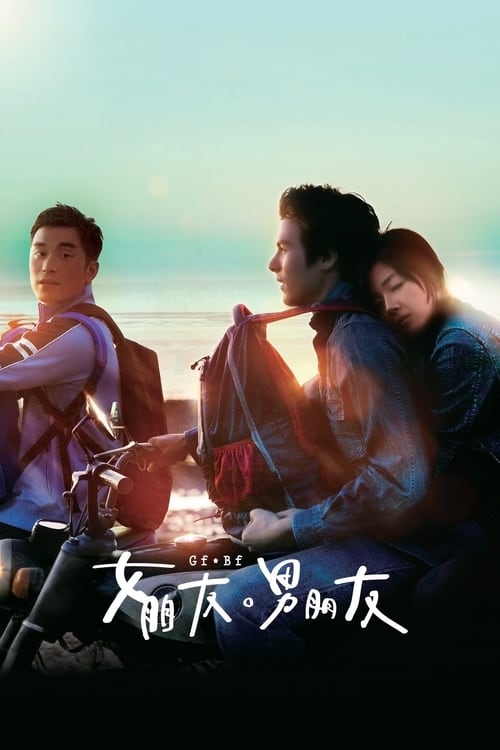
Girlfriend Boyfriend
2012
No user ratings available yet
Diversity score: 3.8 out of 10

2019
Director
Riri Riza
Runtime
119 minutes
Average Rating
No ratings yetSynopsis
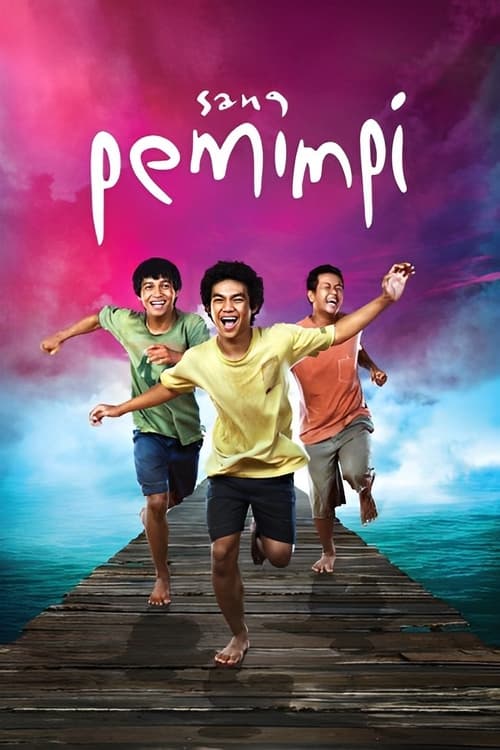
Because of an incident when they were in high school, members of the Bebas Gang were forced to separate. 23 years later, one of them is seriously ill and hopes to meet again one last time.
Overall Score
Fair
Category Breakdown
LGBTQ+ Representation
The film maintains a neutral baseline regarding non-heteronormative identities. There is no specific evidence of LGBTQ+ characters or critiques of heteronormativity within the narrative.
Gender Representation
The story centers on a gang, a trope often tied to male-dominated social structures. It lacks clear details regarding female agency or the subversion of masculine hierarchies.
Racial & Ethnic Diversity
As an Indonesian production, the film provides a vital departure from Hollywood-centric norms. It centers a Southeast Asian cast and explores regional social dynamics.
Religious & Cultural Diversity
The narrative explores mortality and the complexities of human error. It suggests a focus on personal truth and situational ethics rather than rigid moral frameworks.
Disability Representation
A character's serious illness drives the central plot. This places a physical condition at the heart of the story, though its role as a catalyst remains to be seen.
Strengths
Areas for Improvement
AI Analysis
Glorious Days serves as a meaningful regional drama that disrupts Western-centric cinematic norms by centering Indonesian social experiences. It moves away from formulaic tropes to focus on character-driven storytelling and human connection. The film's strength lies in its ability to explore complex human agency through the lens of shared history. By focusing on the consequences of adolescent actions and the fragility of health, it offers a nuanced study of long-term social bonds. While the narrative follows traditional dramatic arcs regarding friendship and mortality, its placement within a non-Western framework provides essential diversification to the global cinematic landscape.
2012

2014
2013
2007
2009
2016
No reviews yet. Be the first to share your thoughts on this movie!
Use the rating form above to leave a star rating and optional review.