
Catatan Akhir Sekolah
2005
No user ratings available yet
Representation score: 5.2 out of 10
Representation Score
Excellent
2009
TV-GDirector
Riri Riza
Runtime
121 minutes
Average Rating
No ratings yetNew Showbiz Analysis
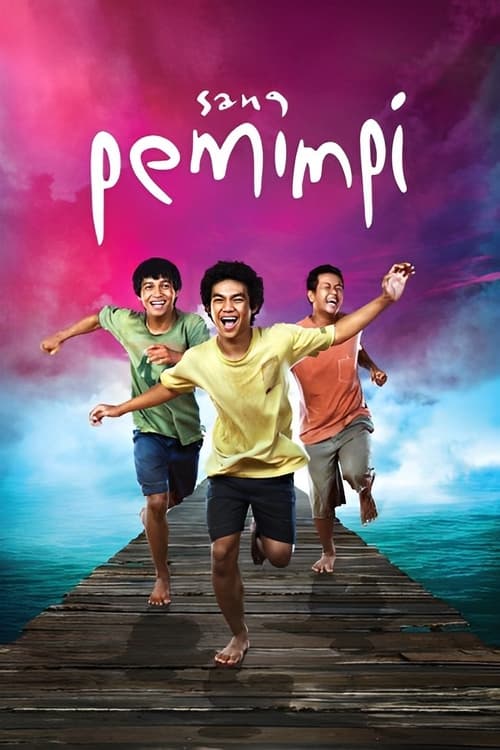
The Dreamer stands out as a significant piece of regional cinema that centers Indonesian adolescent experiences. By focusing on a trio of friends navigating the complexities of youth, the film challenges the dominance of Western-centric coming-of-age narratives. While the film excels in providing a non-Western cultural perspective, it lacks specific, verifiable details regarding LGBTQ+ or disability representation. The narrative's strength lies in its regional identity and the exploration of social landscapes through Riri Riza's character-driven lens. Ultimately, the film offers a meaningful look at identity and ability to act within a specific Southeast Asian context, even if certain multi-layered markers remain unconfirmed.
Category Breakdown
The film does not provide explicit evidence of non-straight identities. However, there may be subtle references to LGBTQ themes in the background.
The story focuses on teenage struggles, allowing for the exploration of non-traditional gender roles. The film highlights nuanced gender experiences during adolescence.
As an Indonesian production, the film centers on a non-Western cast and perspective, offering high representation for Southeast Asian experiences. This disrupts the typical Western-centric coming-of-age story.
The story addresses social mobility and the hope for better circumstances. It emphasizes subjective experiences and questions traditional authority structures.
There is no specific evidence to suggest the inclusion of characters with visible or invisible disabilities. The film maintains a neutral stance on disability representation.
Present on Screen
Limited or Absent
Official Synopsis
A trio of friends struggles to make it through adolescence, all while hoping that bigger and better things await them.
2005

2013

2019

2009
2009

1997

2021

2003
No reviews yet. Be the first to share your thoughts on this movie!
Use the rating form above to leave a star rating and optional review.