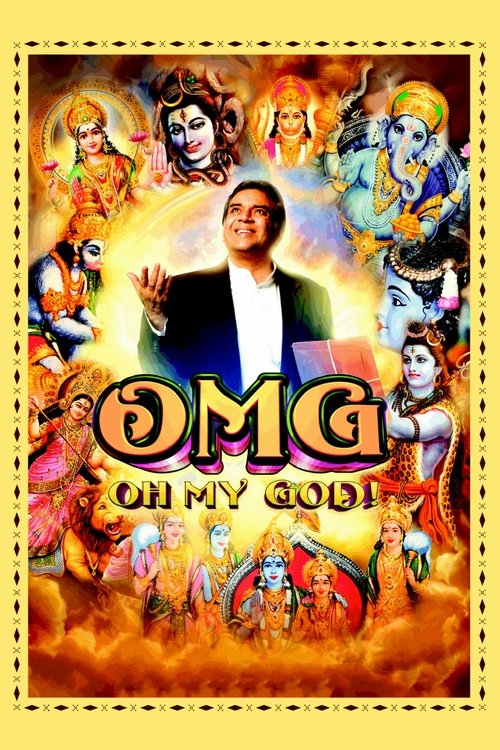
OMG: Oh My God!
2012
No user ratings available yet
Representation score: 5.7 out of 10
Representation Score
Fair
2008
Director
Atul Agnihotri
Runtime
129 minutes
Average Rating
No ratings yetNew Showbiz Analysis
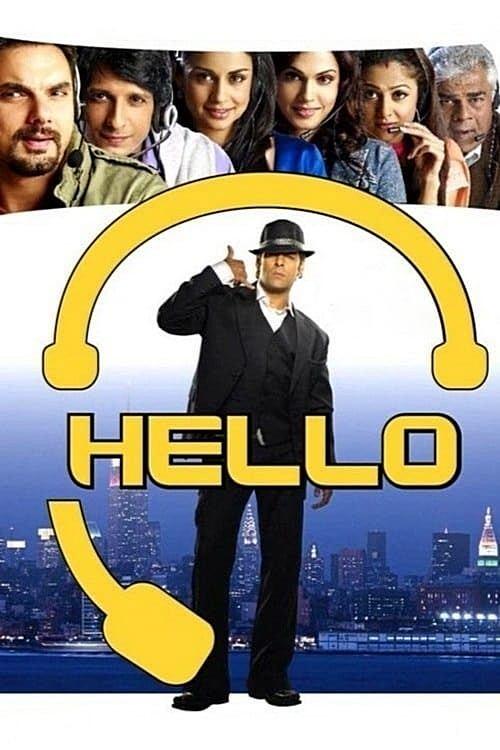
Hello functions as a mainstream commercial comedy-thriller that leans heavily on genre clichés. The narrative centers around traditional romantic storylines and established social norms, offering minimal progressive representation. While the film addresses the pressures of a globalized workforce and the intersection of Indian labor with American consumerism, these themes primarily serve the plot without providing deeper insights. The characters mostly fit into standard archetypes. Ultimately, the film lacks the intention to disrupt systemic hierarchies. It remains a product of its time, focusing on individual professional struggles and personal morality within a conventional framework.
Category Breakdown
The film adheres to traditional heterosexual structures. The main romantic conflict revolves around a typical breakup between a male lead and a female character. There are no characters with non-binary or transgender identities.
Female characters such as Esha and Radhika play supporting roles, but their influence is often limited to romantic entanglements. The film upholds traditional gender roles without challenging them.
The cast is predominantly made up of Indian actors. Characters sometimes adopt American accents for a Western audience, but the film does not explore the intersection of race and ethnicity deeply.
The storyline delves into corporate ethics and capitalism through a spiritual lens. However, religion is used as a conventional plot device rather than a critical examination of faith.
There is no depiction of visible or invisible disabilities. All characters are portrayed as able-bodied professionals.
Present on Screen
Limited or Absent
Official Synopsis
Call-center workers receive a phone call from God.
2012
2006
2022

1997

2010

1977

2008
2025
No reviews yet. Be the first to share your thoughts on this movie!
Use the rating form above to leave a star rating and optional review.