
Photograph
2019
No user ratings available yet
Representation score: 5.3 out of 10
Representation Score
Excellent
2016
PG-13Director
Gauri Shinde
Runtime
151 minutes
Average Rating
No ratings yetNew Showbiz Analysis
Dear Zindagi stands out by emphasizing individual emotional autonomy over traditional societal expectations. It successfully challenges many mainstream cinematic clichés, especially concerning how women are portrayed in professional and emotional contexts. The film excels in its nuanced depiction of mental health, presenting psychotherapy as a normalized and essential tool for personal growth. This focus on psychological ability to act adds a progressive dimension to the drama. However, the film remains limited by its narrow focus on straight relationships and a lack of explicit LGBTQ+ representation. While it offers a sophisticated look at Indian urban life, it does not significantly push boundaries regarding racial or queer diversity.
Category Breakdown
The film primarily assumes that everyone is straight and cisgender, lacking specific LGBTQ+ narratives or characters.
Kaira is shown as an independent professional who plays a significant role in driving the story. The central relationship emphasizes emotional mentorship rather than traditional romantic rescue clichés.
The story presents a realistic view of urban Indian life. It highlights socioeconomic contrasts and grounds conflicts in specific local cultural nuances.
The narrative criticizes patriarchal institutions and rigid societal milestones. It prioritizes individual psychological well-being over traditional religious or moral frameworks.
The film offers a meaningful portrayal of invisible disabilities through mental health issues. It treats Kaira's anxiety and trauma with depth and allows her to take control of her situation.
Present on Screen
Limited or Absent
Official Synopsis
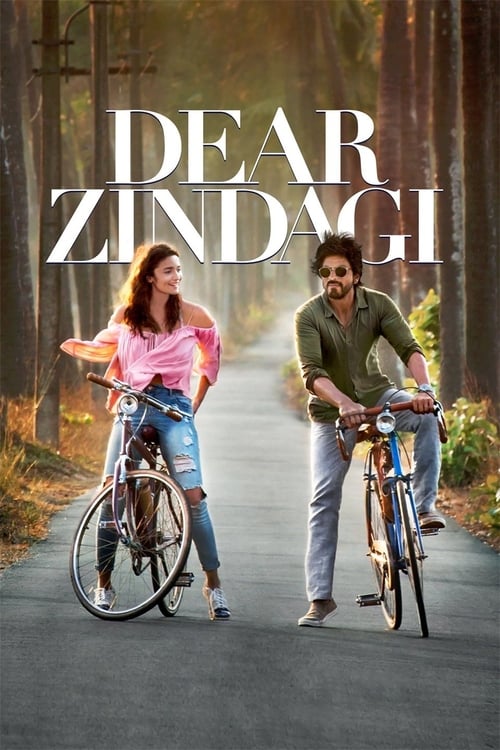
Kaira, a young girl, faces problems in her relationships. She meets Dr Jehangir, who helps her resolve her issues with her parents and get a new perspective on life, which leads to her following her passion and an improvement in her love life.
2019

2018

2020

2017

2010

2017

2013

2018
No reviews yet. Be the first to share your thoughts on this movie!
Use the rating form above to leave a star rating and optional review.