
The Beverly Hillbillies
1993
No user ratings available yet
Representation score: 2.3 out of 10
Representation Score
Minimal
1997
PG-13Director
Bryan Spicer
Runtime
115 minutes
Average Rating
No ratings yetNew Showbiz Analysis
For Richer or Poorer is a typical late-90s romantic comedy that prioritizes genre clichés over social diversity. The narrative centers on a wealthy couple's move from high-society New York to an Amish community, using the change for situational comedy. The film lacks diverse representation, with a predominantly white cast and a focus on heterosexual relationships. It functions as a traditional piece of studio storytelling reflecting the demographic norms of its time. Ultimately, the film avoids challenging established social hierarchies or exploring underrepresented identities, focusing instead on personal reconnection through class-based disruption.
Category Breakdown
The film focuses entirely on a heterosexual relationship. There are no stories involving LGBTQ+ individuals or non-binary genders.
The female lead is central to the plot, but the film follows traditional courtship patterns. It adheres to standard genre clichés without challenging traditional gender roles.
The casting is homogeneous, typical of late-90s comedies. The focus is on wealthy New Yorkers and an Amish community, lacking diverse racial backgrounds.
The Amish lifestyle is used primarily for comedic situations. The narrative maintains a conventional moral framework without critiquing religious or capitalist structures.
There are no visible or invisible disabilities integrated into the main plot or character arcs.
Present on Screen
Limited or Absent
Official Synopsis
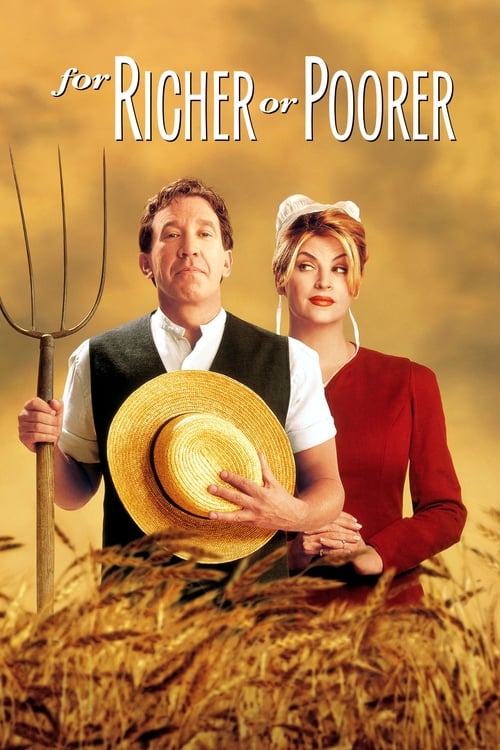
Brad Sexton and his wife, Caroline, are wealthy New Yorkers with both marital and financial problems. The latter issue becomes a pressing matter when they discover that their accountant has embezzled millions and pinned the blame on them. Forced to go on the lam, Brad and Caroline end up in an Amish area of Pennsylvania and decide to pose as members of the religious group to evade the IRS. As the two adapt to the simple Amish lifestyle, they begin to reconnect.
1993

1985

2005

1988

1999

1986

1996

2012
No reviews yet. Be the first to share your thoughts on this movie!
Use the rating form above to leave a star rating and optional review.