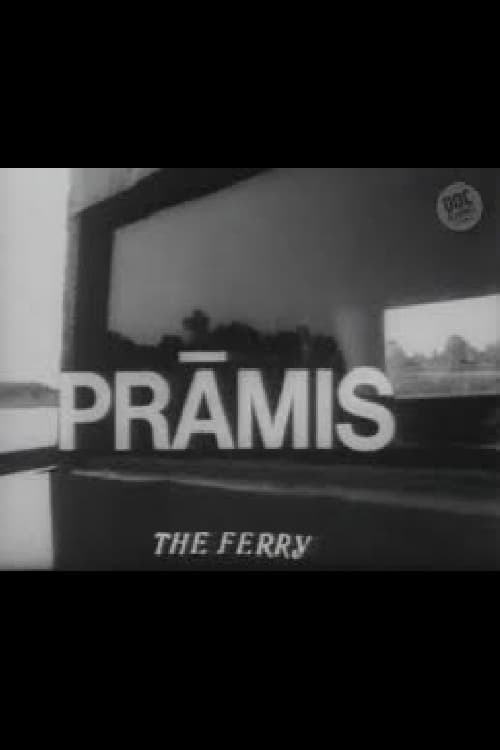
The Ferry
1994
No user ratings available yet
Representation score: 7.8 out of 10
Representation Score
Fair
1993
Director
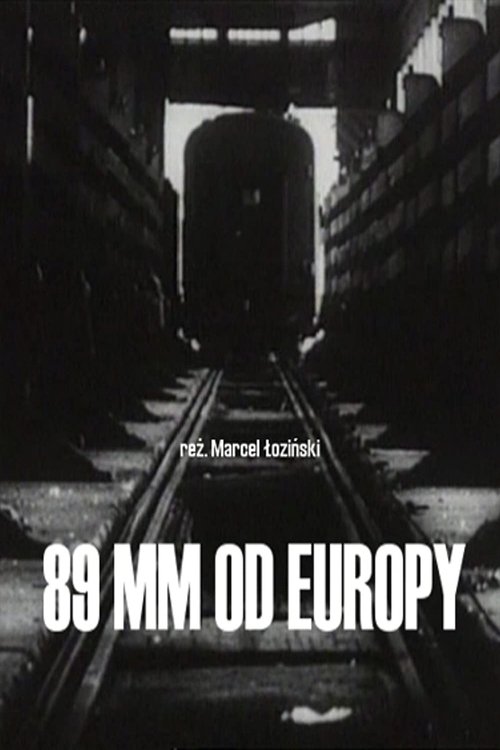
Marcel Łoziński
Runtime
12 minutes
Average Rating
No ratings yetNew Showbiz Analysis
Marcel Łoziński’s documentary offers a sophisticated examination of the tension between individuals and state bureaucracy. By focusing on the technical issue of railway gauges, the film turns a logistical detail into a profound metaphor for geopolitical boundaries. The film highlights the conflict between human movement and rigid institutional structures, moving beyond simple border stories to explore how small systemic details can impact lives during the post-Soviet transition. While the film does not focus on modern identity politics, its strength lies in its deep engagement with the struggle of individuals against the bureaucratic machine of the state.
Category Breakdown
The film does not explicitly depict LGBTQ+ identities, maintaining a neutral stance focused on broader systemic issues rather than specific identity-driven narratives.
The documentary captures passengers at the Brest border using an observational approach, emphasizing the shared human experience of transit without deconstructing gender hierarchies.
The film engages with diverse ethnic and national identities from the former Soviet bloc, exploring the 'otherness' created by physical borders and geopolitical divisions.
The documentary critiques traditional institutional structures and state-controlled borders, using the railway gauge as a metaphor for systemic barriers that affect individual ability to act.
There is no evidence regarding the portrayal of physical or neurodivergent disabilities within the film's focus on border transit.
Present on Screen
Limited or Absent
Official Synopsis
This movie shows the simplest difference between Europe and former Soviet Union. It is the eponymous 89 mm - Russian train tracks are 89 mm wider than tracks in European countries. And because of this fact, it is not easy to go through the Soviet border by train in Brest as the passengers in the film do.
1994
1999

2023

1979
1958
1993
1980
1972
No reviews yet. Be the first to share your thoughts on this movie!
Use the rating form above to leave a star rating and optional review.