
Das Feuerschiff
2008
No user ratings available yet
Representation score: 1.1 out of 10
Representation Score
Fair
2007
Director
Adolf Winkelmann
Runtime
180 minutes
Average Rating
No ratings yetNew Showbiz Analysis
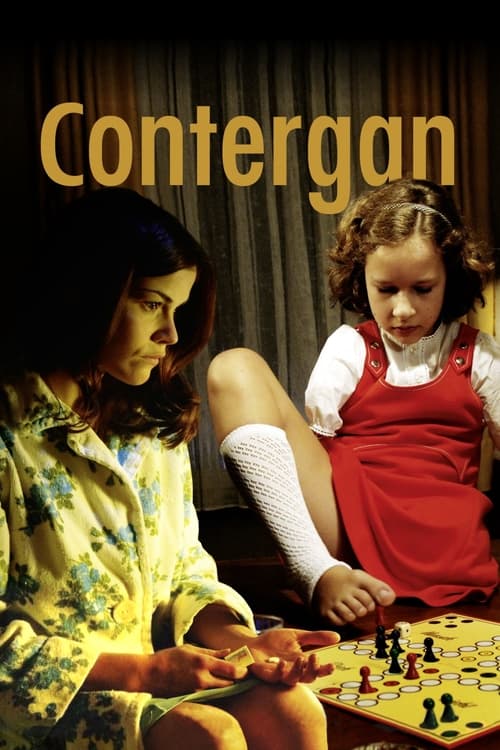
Contergan is a historical drama centered on the thalidomide tragedy of the early 1960s. Its primary strength lies in its thematic depth, particularly regarding disability and institutional accountability. By focusing on the medical scandal, the film challenges the perceived infallibility of Western medical and capitalist structures. However, the film is constrained by its specific historical and geographical setting. This results in limited representation of racial and LGBTQ+ identities, as the narrative reflects the demographic homogeneity of 1960s Germany. The film functions more as a localized critique of systemic failure than a diverse social tapestry.
Category Breakdown
The film does not include visible LGBTQ+ characters or stories that question the assumption that everyone is straight or cisgender. The narrative focuses more on the medical and legal aspects of the scandal than on identity-related subplots.
The story likely explores the experiences of mothers and families affected by the drug. It offers potential for female characters to navigate themes of bodily autonomy against patriarchal medical authority.
The setting reflects the demographic homogeneity of 1960s Germany. The narrative functions as a localized historical reconstruction rather than a multicultural work.
The film critiques traditional Western institutions by framing pharmaceutical and regulatory bodies as negligent. This disrupts the idea that scientific and corporate progress is always beneficial.
Disability is central to the narrative due to the physical consequences of thalidomide. The focus shifts from individual tragedy to a critique of systemic and corporate responsibility.
Present on Screen
Limited or Absent
Official Synopsis
A dramatization of the thalidomide drug scandal of the early 1960s.
2008

2019
1983
1989
1975

2013
2002

1994
No reviews yet. Be the first to share your thoughts on this movie!
Use the rating form above to leave a star rating and optional review.