
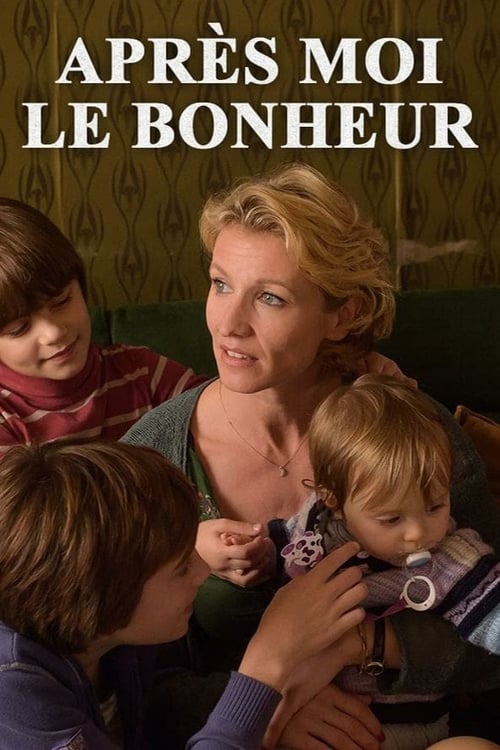
The Christmas Hope
2009
No user ratings available yet
Representation score: 1.8 out of 10
Representation Score
Limited
2016
Director
Nicolas Cuche
Runtime
101 minutes
Average Rating
No ratings yetNew Showbiz Analysis
This film is a character-driven psychological drama that emphasizes individual emotional experiences over social critique. It operates within a traditional European framework, focusing on the fragility of the domestic unit after a terminal diagnosis. While the narrative delves deeply into subjective reality and memory, it does not disrupt social hierarchies. The production remains culturally and demographically uniform, centered on a specific Western context. Ultimately, the film functions as a conventional drama. It aims for emotional authenticity rather than intentional social subversion or characters who reflect more than one aspect of diversity.
Category Breakdown
The film does not include any LGBTQ+ characters or non-straight relationships. All interpersonal dynamics revolve around traditional romantic and family relationships.
The female lead plays a central role through her struggle as a mother. However, the film sticks to traditional portrayals of women's responsibilities and emotions.
The cast is mostly white and European, reflecting the film's Swiss setting. The story remains culturally uniform without diverse ethnic viewpoints.
The story focuses on secular psychological trauma rather than religious themes. It centers on Western socio-economic issues without questioning existing institutions.
Psychological trauma and grief are key elements of the character's journey. They are portrayed as symptoms of personal tragedy rather than distinct social identities.
Present on Screen
Limited or Absent
Official Synopsis
A dying woman is fighting to choose a new family to keep her four children together, after she's gone.
2009
2020
2022

2020

2022
2018

2019

2011
No reviews yet. Be the first to share your thoughts on this movie!
Use the rating form above to leave a star rating and optional review.