Berlin am Meer
2007
No user ratings available yet
Representation score: 4.3 out of 10
Representation Score
Fair
1979
Director
Avi Nesher
Runtime
110 minutes
Average Rating
No ratings yetNew Showbiz Analysis
Avi Nesher’s film documents the cultural shift in 1970s Israel, moving away from monolithic Zionist narratives to the individualistic, secular experiences of urban youth. By focusing on bohemians, the film challenges traditional social norms in favor of personal fulfillment. However, the demographic scope is narrow, primarily depicting the Ashkenazi Jewish middle class. The film lacks broader ethnic or racial diversity. Ultimately, the film stands out for its challenge to rigid social structures, presenting a world where gender roles and sexual norms are becoming more flexible.
Category Breakdown
The film captures a period of sexual freedom within Tel Aviv's bohemian culture. Though there is no non-binary main character, the setting showcases a variety of fluid lifestyles and unconventional romantic relationships.
Characters like Ossi and Miri have distinct goals and play significant roles in the story. The film avoids traditional submissive female stereotypes, instead highlighting women navigating complex personal and professional lives.
The cast mainly represents the Ashkenazi Jewish urban middle class, with limited multi-layered diversity or non-white characters.
The film highlights secularism and questions traditional authority structures. It focuses on bohemian lifestyles and emphasizes individualist, Western urbanism over religious or state-centric ideals.
There is no significant depiction of physical or neurodivergent disabilities in this film.
Present on Screen
Limited or Absent
Official Synopsis
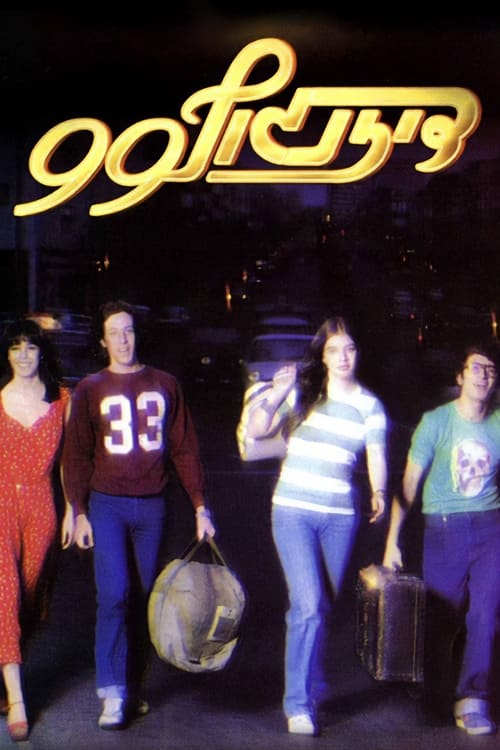
In the easy-going, sexually-liberated 1970's Tel Aviv, three young friends, struggling filmmaker Nati, his impressionable girlfriend Ossi and his geeky friend Mushon, move in together in a small apartment in Dizengoff Street number 99. By day, they work a boring desk office job but by night the city is their playground. Their overall goal is to make their way into the commercial movie making business, but harsh realities and romances often sidetrack them. Their fourth friend and Nati's older other girlfriend is aspiring musician, Miri.
2007
1980

1984
1987

1972
1998

1997

2007
No reviews yet. Be the first to share your thoughts on this movie!
Use the rating form above to leave a star rating and optional review.