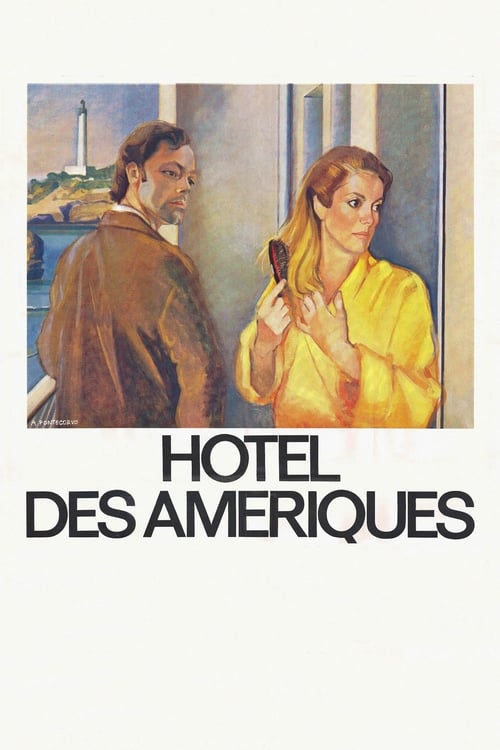
Hotel America
1981
No user ratings available yet
Representation score: 7.8 out of 10

Representation Score
Excellent
1984
RDirector
Bobby Roth
Runtime
98 minutes
Average Rating
No ratings yetNew Showbiz Analysis
Heartbreakers stands as a sophisticated examination of late-20th-century urban life. It eschews traditional didacticism, focusing instead on the fluidity of identity and the subversion of established social hierarchies. The film's strength lies in its nuanced exploration of sexual liberation and non-traditional social structures. However, the film's scope is somewhat limited. While it captures a cosmopolitan atmosphere, its narrative remains confined to the professional class, thereby reducing the depth of its racial and disability representation.
Category Breakdown
The film incorporates various sexual orientations into the urban setting, presenting them as integral to the characters' lives rather than as peripheral elements. It explores these identities as a natural part of the characters' quest for intimacy.
The film highlights Liliane, an exotic gallery owner, shifting the narrative focus from male-dominated pursuits to female-led social navigation. It emphasizes the autonomy of women in both professional and romantic contexts.
The ensemble cast mirrors the diverse 1980s New York City environment. However, the focus remains primarily on the professional class, limiting the exploration of racial diversity.
The film leans towards situational ethics and moral relativism, critiquing the rigidity of institutions such as the nuclear family through a secular, postmodern perspective.
There are no prominent depictions of visible or invisible disabilities. The narrative centers on the psychological and romantic dynamics of the able-bodied professional class.
Present on Screen
Limited or Absent
Official Synopsis
Blue, a yet-to-be discovered painter, is left by his longtime girlfriend because she considers him too immature for a lasting relationship. Eli, Blue's best friend, works for his father's garment business and is still searching for a woman who's interesting enough to spend more than one night with. Blue and Eli's friendship is put to the test when they both fall for Liliane, Blue's exotic gallerist.
1981

1971
1979
1987

1993
1984

2008

1987
No reviews yet. Be the first to share your thoughts on this movie!
Use the rating form above to leave a star rating and optional review.