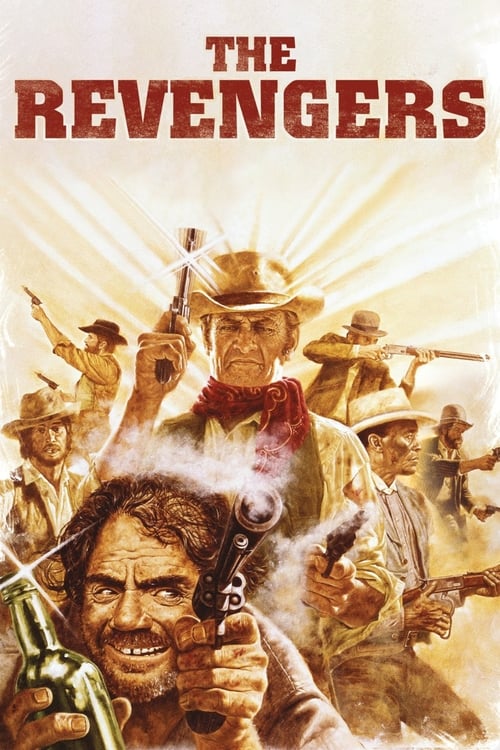
The Revengers
1972
No user ratings available yet
Diversity score: 2.4 out of 10

2004
UnratedDirector
João Amorim
Runtime
44 minutes
Average Rating
No ratings yetSynopsis
João Amorim is a quiet country man, he lives with his wife and daughter in their country house. He could barely imagine what was about to happen.
Overall Score
Limited
Category Breakdown
LGBTQ+ Representation
The film lacks any evidence of non-cisnormative identities or same-sex intimacy. The narrative focuses on a conventional domestic structure involving a husband, wife, and daughter.
Gender Representation
The story centers on a male protagonist navigating a crisis. While women are present as a wife and daughter, their roles appear defined by their relationship to the male lead.
Racial & Ethnic Diversity
The film follows standard Western and Crime genre conventions, which often lack significant racial blending. There is no specific information regarding the ethnic backgrounds of the ensemble cast.
Religious & Cultural Diversity
The plot emphasizes traditionalist values regarding home and family stability. It presents a classic struggle between individual peace and external disruption rather than a systemic critique.
Disability Representation
No characters with visible or invisible disabilities are identified in the film's documentation.
Strengths
Areas for Improvement
AI Analysis
Forced to Kill operates within the traditional frameworks of the Action, Western, and Crime genres. The narrative relies on established tropes, specifically the disruption of a quiet domestic life by external violence. The film prioritizes conventional family dynamics and standard genre-driven conflict. It offers very little in the way of intersectional representation or the subversion of social hierarchies. Because the story centers on a traditional nuclear family, it lacks the complexity required to explore diverse identities or non-traditional social structures.
No reviews yet. Be the first to share your thoughts on this movie!
Use the rating form above to leave a star rating and optional review.