Dead Man
1995
No user ratings available yet
Representation score: 4.6 out of 10
Representation Score
Limited
1999
TV-14Director
Uli Edel
Runtime
94 minutes
Average Rating
No ratings yetNew Showbiz Analysis
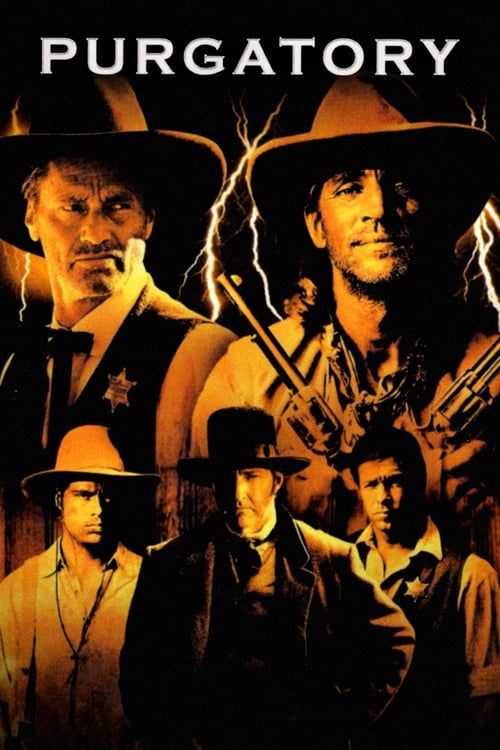
Purgatory (1999) operates as a postmodern deconstruction of the Western genre. By placing historical outlaws like Doc Holliday in a regulated, ascetic afterlife, the film shifts away from simple hero clichés towards a complex exploration of systemic redemption. While the film excels in its thematic structure, it remains tied to the demographic norms of the genre. The absence of diverse racial, gendered, or LGBTQ+ perspectives keeps the social landscape narrow. Ultimately, the film's strength lies in its intellectual subversion of morality rather than its social representation. It challenges our views on justice, even if it does not broaden the range of represented identities.
Category Breakdown
The film does not include any explicit LGBTQ+ characters or stories. The plot centers around the spiritual and moral journeys of the main outlaw figures.
The story follows traditional Western archetypes that emphasize male roles. Female characters do not challenge gender hierarchies or show significant intellect.
The cast is drawn from a traditional Anglo-Saxon Western canon. The film does not use color-blind casting or racial blending to break the genre's historical uniformity.
The film stands out by deconstructing traditional morality. It uses the afterlife to question absolute righteousness, critiquing the 'rugged individualist' archetype through a call for behavioral change.
There is no noticeable portrayal of physical or neurodivergent disabilities within the film's narrative.
Present on Screen
Limited or Absent
Official Synopsis
An outlaw band flees a posse and rides into Refuge, a small town where no one carries a gun, drinks, or swears. The town is actually Purgatory, and the peaceful inhabitants are all famous dead outlaws and criminals such as Doc Holiday and Wild Bill Hickok who must redeem themselves before gaining admittance to Heaven... or screw up and go to Hell.
1995

1959
2013
1972
1988

1957
2009
1962
No reviews yet. Be the first to share your thoughts on this movie!
Use the rating form above to leave a star rating and optional review.