
I Am Elizabeth Smart
2017
No user ratings available yet
Representation score: 3.5 out of 10
Representation Score
Limited
2017
TV-14Director
Steve Michaels
Runtime
90 minutes
Average Rating
No ratings yetNew Showbiz Analysis
This documentary prioritizes historical accuracy and individual resilience over disrupting social hierarchies. It functions as a traditional biographical reconstruction of a life disrupted by crime. The narrative structure focuses on restoring traditional social roles, such as motherhood and marriage, rather than deconstructing them. This approach results in a lack of complexity related to overlapping identities. Ultimately, the film's demographic and cultural presentation aligns with the specific historical realities of the subject's life, offering a localized truth rather than a broader systemic critique.
Category Breakdown
The film focuses on the biographical reality of the subject's life and her specific trauma. There are no LGBTQ+ characters or explorations of non-straight relationships.
The narrative centers on a woman's role in her recovery and her transition into motherhood and advocacy. However, the core conflict is defined by traditional patriarchal violence.
The cast and subjects are predominantly white, reflecting the demographic reality of the historical event in Salt Lake City. The film adheres to the documented facts of the case.
The film emphasizes the importance of the nuclear family and traditional institutions like law enforcement and community support. It portrays recovery through personal perseverance and social stability.
The film provides a nuanced look at invisible disabilities, specifically psychological trauma and PTSD. It gives the survivor a significant role in describing her mental health journey.
Present on Screen
Limited or Absent
Official Synopsis
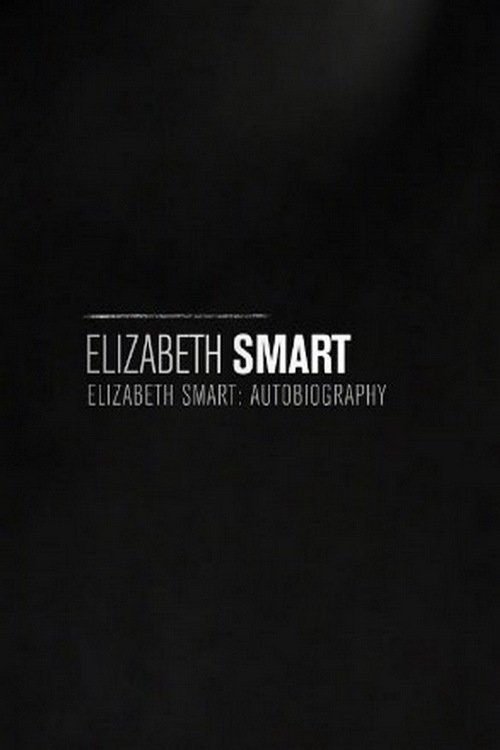
"Elizabeth Smart: Autobiography," Smart explains her story in her own words and provides previously untold details about her infamous abduction and nine-month nightmare in the grasps of her cruel captors. Now 29 years old, she shares the perspective she gained through the ordeal and how she has moved past it to focus on marriage, motherhood and advocating for others. Smart's family, along with law enforcement involved with investigating the disappearance and eyewitnesses, reveal new information about the case and reflect on her remarkable recovery and perseverance.
2017

2011

2026

2015
2022

2013
2021

2017
No reviews yet. Be the first to share your thoughts on this movie!
Use the rating form above to leave a star rating and optional review.