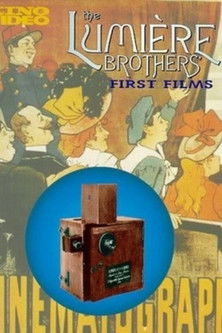
The Lumière Brothers' First Films
1996
No user ratings available yet
Representation score: 1.9 out of 10

Representation Score
Limited
2015
Runtime
95 minutes
Average Rating
No ratings yetNew Showbiz Analysis
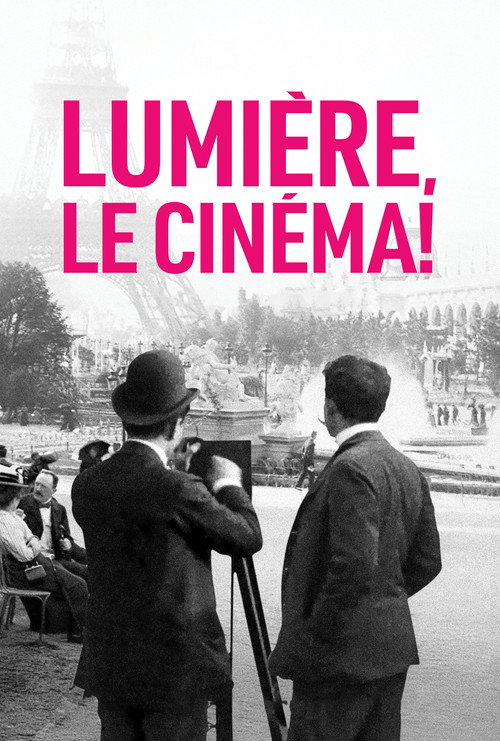
Lumière! The Cinematograph is a historical preservation project rather than a contemporary narrative. It functions as a curated montage of 114 restored short films, capturing the foundational era of cinema. The low diversity scores are a direct reflection of the social constraints present between 1895 and 1905. The work prioritizes archival authenticity, presenting the historical reality of a period characterized by Eurocentrism and rigid social hierarchies. Because the documentary aims to restore and present historical artifacts, it does not actively promote modern progressive values or multi-layered representation, instead documenting the era's inherent lack of representation.
Category Breakdown
The footage reflects the rigid assumptions that everyone is straight or cisgender during the 1895–1905 era. There is no evidence of LGBTQ+ identities or same-sex relationships in these historical captures.
The films depict traditional gender roles, with men often shown in industrial labor roles. Women appear in public spaces but generally have little control over their narratives, serving as subjects within a patriarchal framework.
The collection offers a window into colonial and Eurocentric perspectives. While diverse subjects appear, the footage largely reinforces the depiction of homogeneous Western populations as the norm.
Content is deeply rooted in Western institutions like industrialism and early capitalism. The montage preserves the historical status quo rather than challenging these established social and economic structures.
There is no evidence of intentional representation of neurodivergence or physical disabilities. Individuals with disabilities are largely absent from this visual record of the era.
Present on Screen
Limited or Absent
Official Synopsis
A selection of 114 short films produced by Auguste and Louis Lumière (most were directed by Louis and his team of cinematographers), restored in 4K and assembled in a single montage. Including a lot of unknown rarities (like alternate versions of Employees Leaving the Lumière Factory), this is an astonishing collection from cinema’s most undisputed pioneers.
1996

2016
2020
2024
1982
1897
1935
1899
No reviews yet. Be the first to share your thoughts on this movie!
Use the rating form above to leave a star rating and optional review.