InRealLife
2013
No user ratings available yet
Representation score: 8.1 out of 10
Representation Score
Fair
2020
Director
Jamin Winans, Robert Muratore, Kiowa K. Winans
Runtime
89 minutes
Average Rating
No ratings yetNew Showbiz Analysis
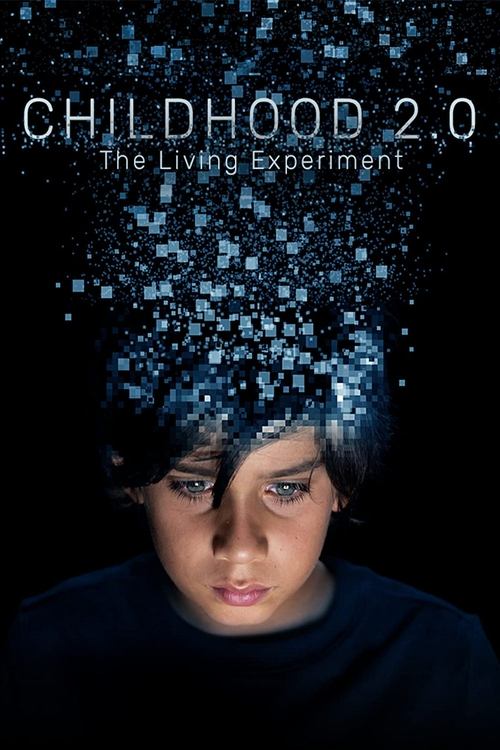
Childhood 2.0 provides a systemic critique of how digital immersion affects childhood autonomy and mental health. It shifts the focus from traditional physical safety concerns to the psychological risks of the modern age. The documentary stands out by making mental health and neurodivergence central sociological topics. It challenges the status quo of modern technological institutions and their impact on human development. However, the film does not explicitly highlight multi-layered markers. There is no indication of LGBTQ+ representation or racial diversity within the provided context, which limits its scope of identity-based perspectives.
Category Breakdown
The documentary does not include explicit LGBTQ+ characters or themes. Instead, it focuses on mental health and digital sociology.
The film challenges traditional family dynamics by criticizing conventional parental oversight. It highlights the inadequacy of the traditional family structure in addressing the unique dangers of the digital era.
There is no information available about the racial makeup of the subjects or the cast. Without descriptive data, it is impossible to assess ethnic diversity.
The narrative critiques modern Western structures and the impact of digital capitalism. It suggests that technological progress has disrupted the natural, spiritual, and physical health of children.
The film centers its argument on mental health and psychological vulnerabilities. It treats mental illness as a central systemic threat rather than a minor issue.
Present on Screen
Limited or Absent
Official Synopsis
For the first time in history, mental illness and suicide have become one of the greatest threats to school-aged children. Many parents still view dangers as primarily physical and external, but they’re missing the real danger: kids spending more time online and less time engaging in real life, free play, and autonomy. What are the effects on the next generation's mental, physical, and spiritual health? Childhood was more or less unchanged for millennia, but this is Childhood 2.0.
2013

2011
2020

2006
2014
2020

2021
2018
No reviews yet. Be the first to share your thoughts on this movie!
Use the rating form above to leave a star rating and optional review.