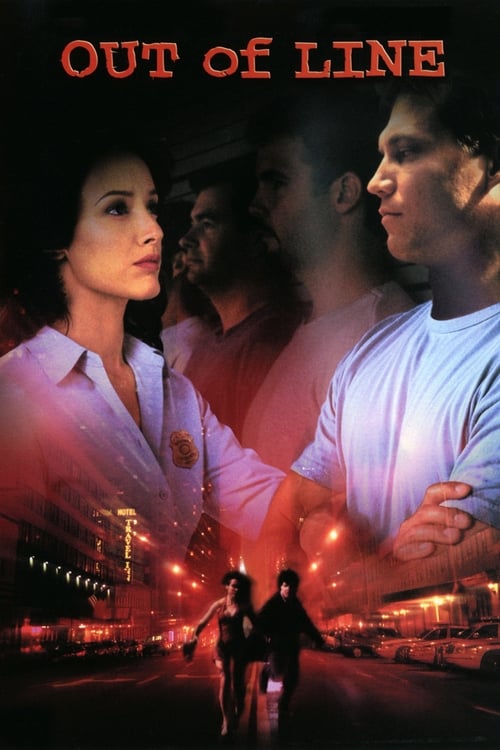
Out of Line
2001
No user ratings available yet
Diversity score: 1.6 out of 10
2001
RDirector
Charlie Haskell
Runtime
94 minutes
Average Rating
No ratings yetSynopsis
A killer thought behind bars is killing again. It's up to John Lawless (Kevin Smith) and Jodie Keane (Angelina Dotchin) to stop the murders.
Overall Score
Minimal
Category Breakdown
LGBTQ+ Representation
The film lacks any indication of LGBTQ+ characters or narratives. There is no evidence of non-heteronormative identities being explored.
Gender Representation
Jodie Keane provides a sense of female agency within this crime-thriller setting. However, the story does not appear to subvert traditional gender hierarchies or masculine leadership roles.
Racial & Ethnic Diversity
The available information suggests a cast that lacks racial blending. There is no mention of non-white or non-Anglo-Saxon characters in the narrative.
Religious & Cultural Diversity
The story follows conventional procedural expectations within the crime genre. It offers no evidence of critiques regarding Western institutions or moral relativism.
Disability Representation
There is no mention of characters possessing visible or invisible disabilities. The narrative focus remains on the central murder investigation.
Strengths
Areas for Improvement
AI Analysis
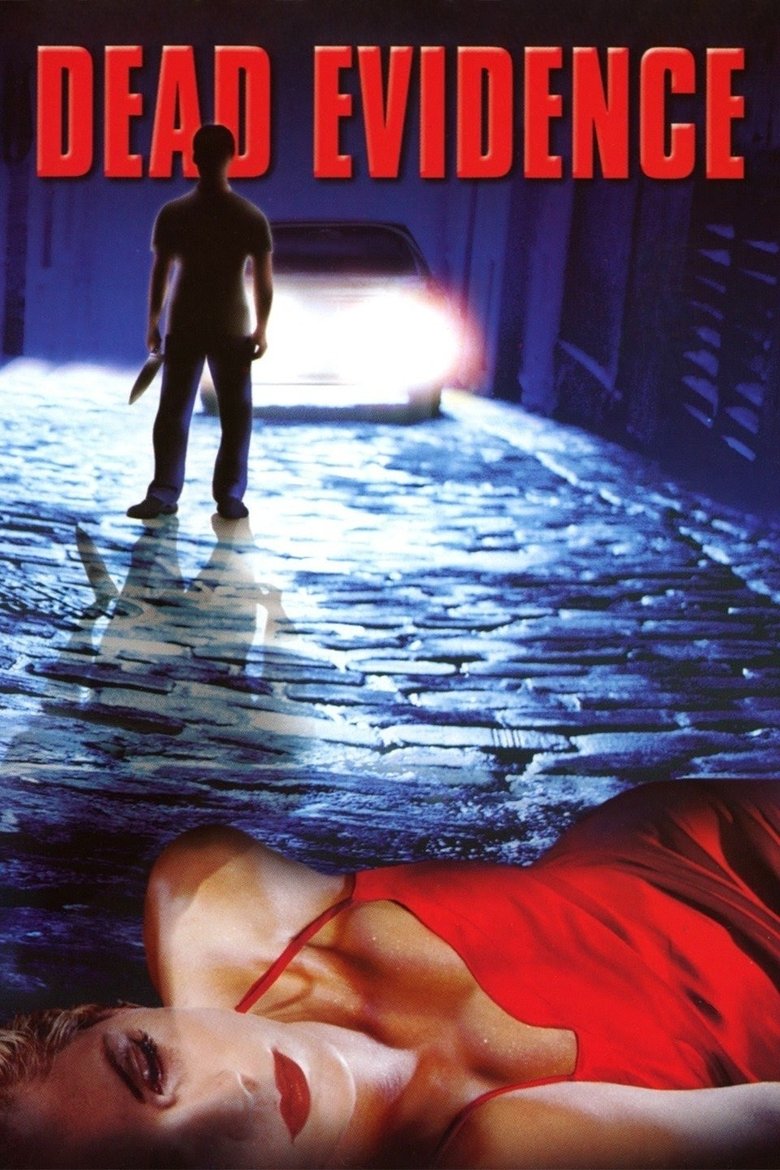
Lawless: Dead Evidence operates within the standard confines of the crime-thriller genre. While the inclusion of a female protagonist suggests some level of gendered agency, the film appears to rely heavily on established tropes rather than pushing for social or intersectional complexity. The narrative lacks any visible commitment to racial, cultural, or LGBTQ+ diversity. It presents a traditional framework that does not challenge existing social hierarchies or institutional norms. Ultimately, the film functions as a straightforward procedural. It lacks the specific character details or thematic depth required to move beyond a conventional, non-diverse storytelling model.
2001

2009

2014
2011

2009
1991

2000
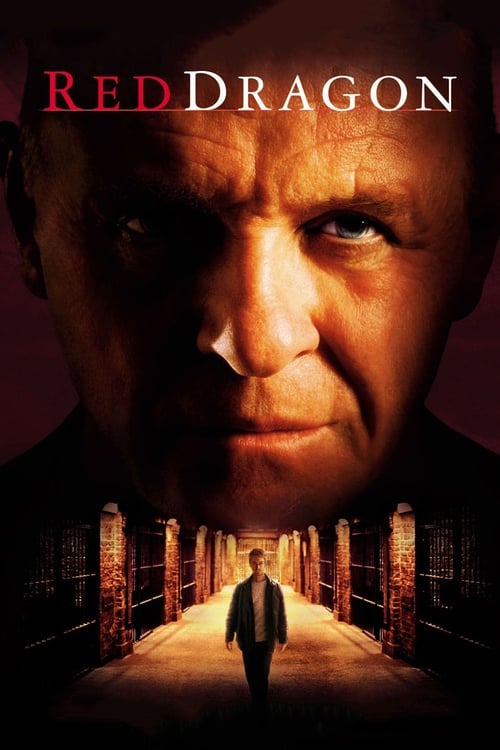
2002
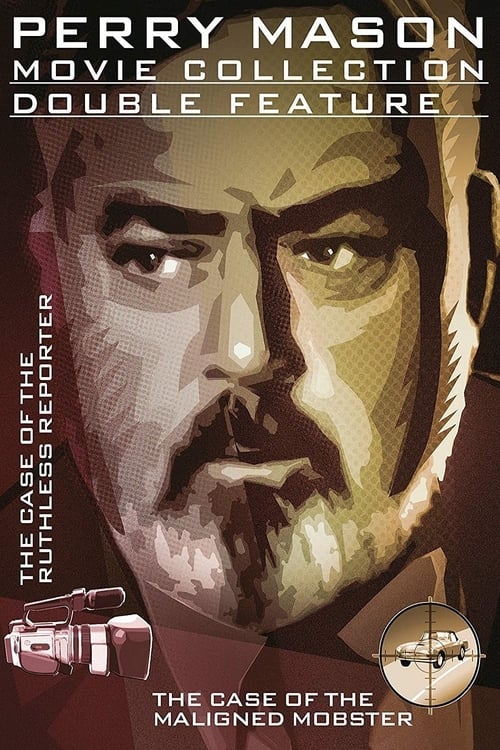
1991
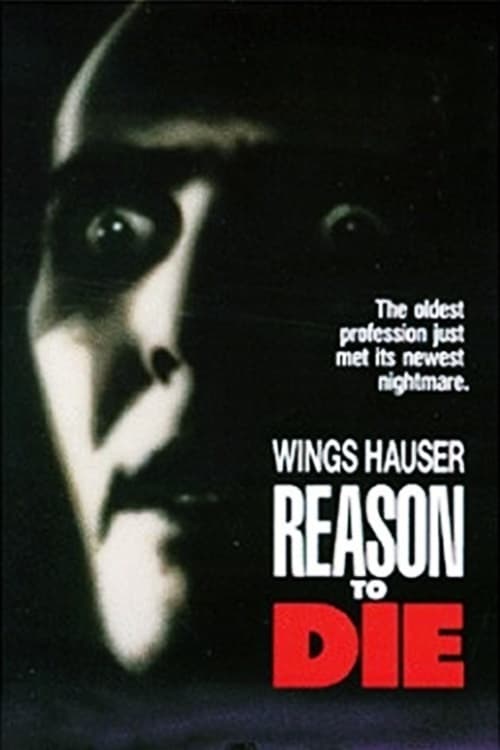
1990
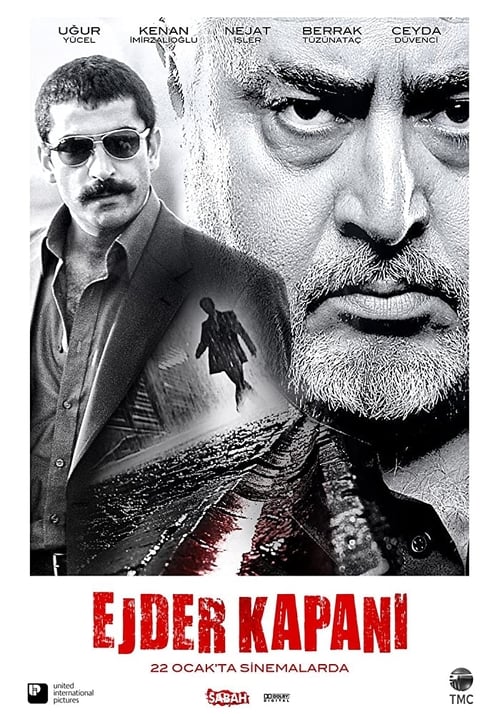
2010
2019
No reviews yet. Be the first to share your thoughts on this movie!
Use the rating form above to leave a star rating and optional review.