
Apocalypse Island
2010
No user ratings available yet
Representation score: 3.0 out of 10
Representation Score
Limited
2008
Director
Nimrod Erez
Runtime
78 minutes
Average Rating
No ratings yetNew Showbiz Analysis
This documentary serves as a philosophical exploration of the Maya Long Count Calendar. It succeeds by focusing on non-Western intellectual traditions, moving away from Eurocentric views that dismiss ancient calendars as mere superstition. However, the film lacks character-driven representation. Its focus on scientific and historical discourse misses opportunities for LGBTQ+ and disability representation. The work promotes a non-binary view of global events, favoring themes of rebirth over catastrophic, linear endings.
Category Breakdown
The documentary focuses solely on archaeological and astronomical interpretations of the Maya calendar. There are no depictions of LGBTQ+ characters or non-cisgender identities.
The film emphasizes academic and scientific discussions, which often highlight male-dominated expertise. It does not explore gendered social structures or challenge traditional roles.
The narrative centers on the intellectual legacy of the Maya civilization. This elevates Indigenous mathematical systems and highlights non-Western historical ability to act.
The film explores spiritual renewal rather than a singular Western apocalyptic doctrine. It challenges Western intellectual dominance by treating the Maya calendar as a sophisticated system.
There is no evidence of individuals with physical or neurodivergent disabilities. Disability is not used as a narrative device within this work.
Present on Screen
Limited or Absent
Official Synopsis
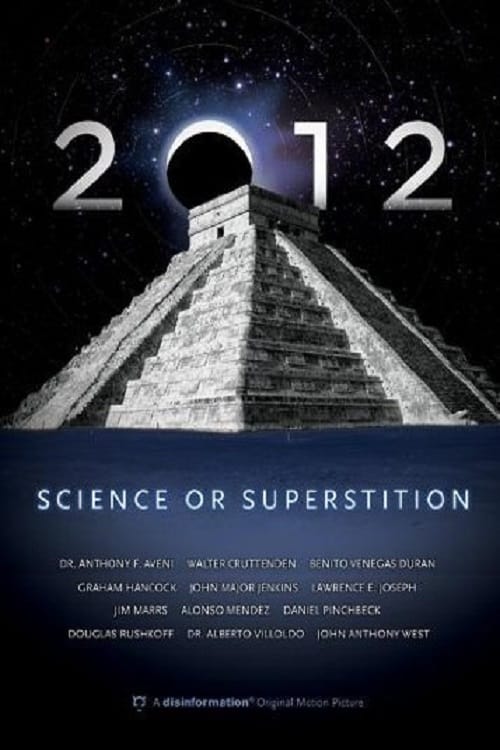
December 21, 2012: the end date of the sophisticated Long Count Calendar created by the ancient Maya in central America. Countless books and websites, magazine articles and newspaper headlines debate its meaning, with enthusiasts in two camps: those forecasting apocalypse the end of time and those who see a coming renewal, a rebirth of consciousness.
2010
2008
2007

2009

2008
2015
2009

2022
No reviews yet. Be the first to share your thoughts on this movie!
Use the rating form above to leave a star rating and optional review.