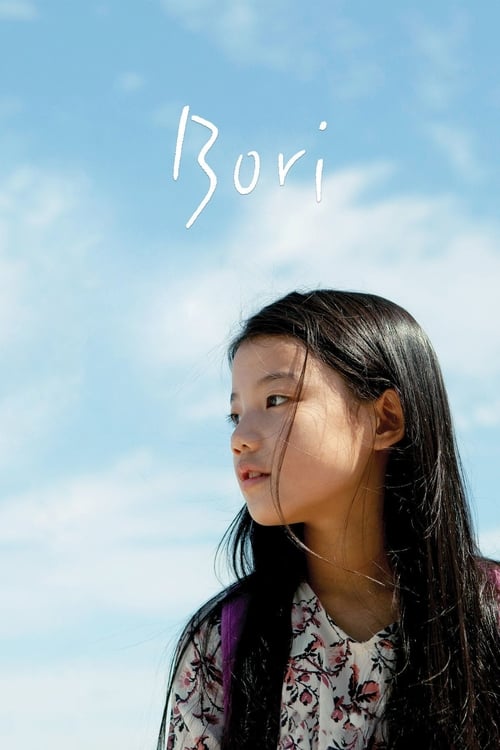
Bori
2020
No user ratings available yet
Diversity score: 6.0 out of 10

2013
Director
Yukihiro Toda
Runtime
68 minutes
Average Rating
No ratings yetSynopsis
Saori, a new face of a call girl service for the disabled, meet diverse people like a client with progressive muscular dystrophy, a college student with spinal injury, and a stalker pretending to be the disabled… Encountering with disabled people who live in various circumstances gives Saori, living in despair, a sense of fulfillment and reason for living.
Overall Score
Fair
Category Breakdown
LGBTQ+ Representation
The film focuses on the intersection of disability and labor rather than queer identities. There is no evidence of same-sex intimacy or non-cisnormative gender identities.
Gender Representation
Saori, the female protagonist, navigates a high-stakes professional environment. She acts as a primary catalyst for the development of the male and disabled characters she encounters.
Racial & Ethnic Diversity
As a Japanese production, the cast appears ethnically homogeneous. The narrative focuses on internal social hierarchies within Japanese society rather than multi-ethnic casting.
Religious & Cultural Diversity
The film challenges traditional notions of respectability by centering on a service for the disabled. It suggests fulfillment is found in unconventional, non-traditional human connections.
Disability Representation
The narrative provides agency to characters with muscular dystrophy and spinal injuries. It avoids monolithic tropes by exploring a spectrum of lived realities and complex circumstances.
Strengths
Areas for Improvement
AI Analysis
There is Light is a nuanced character study that prioritizes the agency of marginalized individuals. It succeeds by moving beyond sanitized depictions of disability, offering a sophisticated look at characters with diverse physical impairments and complex social roles. While the film excels in its handling of disability and unconventional moral landscapes, it lacks significant breadth in terms of racial and LGBTQ+ representation. The narrative remains largely focused on localized Japanese social dynamics. Ultimately, the film's strength lies in its willingness to explore the fringes of social morality through a lens of moral relativism, providing a meaningful look at human connection.
2020
2021
2017

1999
2019
No reviews yet. Be the first to share your thoughts on this movie!
Use the rating form above to leave a star rating and optional review.