Ruby Ridge
2017
No user ratings available yet
Representation score: 0.4 out of 10
Representation Score
Fair
2017
Not RatedDirector
Barak Goodman
Runtime
101 minutes
Average Rating
No ratings yetNew Showbiz Analysis
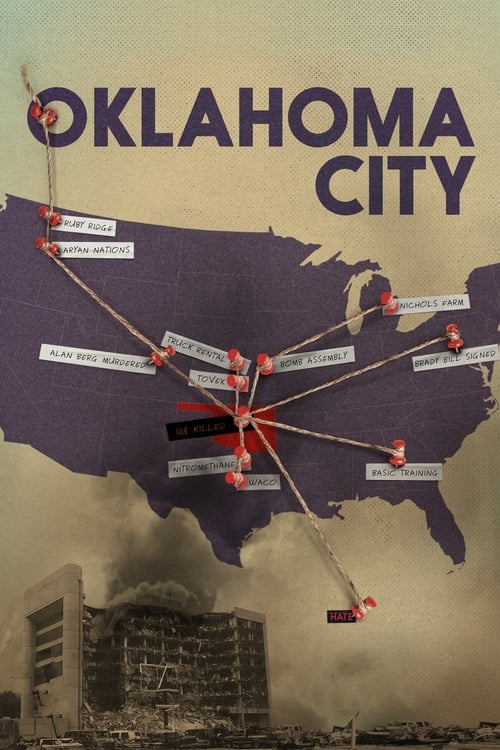
Oklahoma City functions primarily as a critique of institutional power and state-citizen relations. It examines the breakdown of the social contract through the lens of domestic terrorism and federal law enforcement encounters. While the film lacks significant breadth in identity-based representation, including LGBTQ+, race, and gender, it achieves complexity by deconstructing the perceived legitimacy of federal authority. It explores the systemic failures that lead to radicalization and the tension between state authority and the individual. The documentary's value lies in its interrogation of the oppressor/oppressed dynamic, though it remains centered on traditional American political archetypes.
Category Breakdown
The film focuses on historical political escalations and domestic terrorism. There is no evidence of LGBTQ+ character arcs or narratives addressing the assumption that everyone is straight or cisgender.
The narrative centers on high-stakes political standoffs and law enforcement encounters. These historical contexts often prioritize male-dominated spheres of combat and federal ability to act, limiting gender diversity.
The primary actors in these historical contexts are portrayed through a lens of domestic political identity. The narrative lacks specific focus on racial or ethnic diversity.
The film disrupts expectations of state infallibility by exploring systemic friction. It critiques the perceived oppression of the individual by centralized institutional power.
There is no evidence that disability, neurodivergence, or mental health conditions are central to the narrative or used as primary character drivers.
Present on Screen
Limited or Absent
Official Synopsis
The bombing of the Alfred P. Murrah Federal Building in Oklahoma City in April 1995 is the worst act of domestic terrorism in American history. This documentary explores how a series of deadly encounters between American citizens and federal law enforcement—including the standoffs at Ruby Ridge and Waco—led to it.
2017
2002
1997
2012
2024
2012
2025

2012
No reviews yet. Be the first to share your thoughts on this movie!
Use the rating form above to leave a star rating and optional review.