Daddy's Home 2
2017
No user ratings available yet
Representation score: 1.1 out of 10
Representation Score
Limited
2018
TV-14Director
Tyler Spindel
Runtime
94 minutes
Average Rating
No ratings yetNew Showbiz Analysis
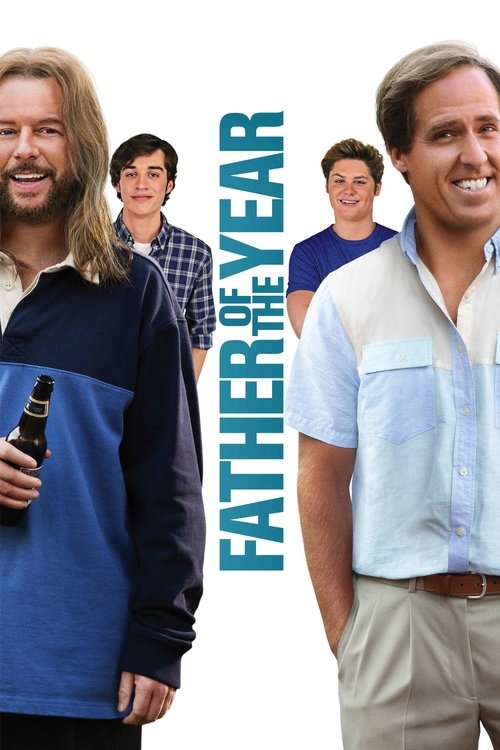
Father of the Year is a conventional comedy that prioritizes a singular, traditional domestic perspective. The narrative architecture relies heavily on established social hierarchies and demographic homogeneity, offering very little room for multi-layered identities. The film's focus on paternal anxieties and suburban competition reinforces standard male clichés and Western social norms. By centering the story on a specific, non-diverse demographic, the film misses opportunities to challenge traditional archetypes. Ultimately, the production functions as a standard domestic comedy that lacks engagement with diverse lived experiences, resulting in a narrow social scope.
Category Breakdown
The film centers on a traditional family structure and does not include any LGBTQ+ characters or engagement with queer themes.
The plot focuses on the male experience and the struggles of modern fatherhood, relying on traditional gender roles and standard domestic hierarchies.
The setting depicts a primarily white, middle-class suburban environment, and the cast lacks diversity, reinforcing demographic homogeneity.
The narrative operates within the established norms of contemporary American suburban life, focusing on individualistic social competition rather than systemic or cultural critique.
There is no discernible evidence regarding the inclusion of characters with visible or invisible disabilities, and the plot does not engage with neurodivergence or physical disability.
Present on Screen
Limited or Absent
Official Synopsis
Two college grads return to their hometown, where a hypothetical question -- whose dad would win in a fight? -- leads to mass mayhem.
2017

2019
2015
2017
2008

2018
2016
2017
No reviews yet. Be the first to share your thoughts on this movie!
Use the rating form above to leave a star rating and optional review.