
Picasso and Braque Go to the Movies
2008
No user ratings available yet
Representation score: 3.8 out of 10
Representation Score
Fair
1973
GDirector
Emile de Antonio
Runtime
116 minutes
Average Rating
No ratings yetNew Showbiz Analysis
Painters Painting is an intellectually dense documentary that prioritizes political critique over demographic diversity. It functions more as a political commentary than a survey of diverse social issues. The film’s low scores in gender and racial diversity reflect the historical period and the specific art movements it documents. It captures the systemic exclusions of the 1940–1970 New York art scene. However, the film excels in cultural critique. By framing art within the context of capitalist structures and state influence, it provides a sophisticated view of how culture intersects with politics.
Category Breakdown
The film focuses on the artistic philosophy of the time rather than LGBTQ+ identities. Figures like Andy Warhol are present, but their roles are more incidental to the historical documentation than central to the narrative.
The documentary highlights the male-dominated art world of the mid-20th century. While Helen Frankenthaler is featured, the film primarily portrays the patriarchal structure of the era without challenging it.
The film centers on Abstract Expressionism and Pop Art, which were predominantly created by white artists. It captures the specific New York art scene but does not include much racial or ethnic diversity.
The work effectively critiques Western institutions and the state-sponsored soft power during the Cold War. It uses montage to explore the tension between individual expression and geopolitical pressures.
The film does not focus on themes related to physical or neurodivergent identities. Instead, it prioritizes the intellectual and political philosophies of the artists.
Present on Screen
Limited or Absent
Official Synopsis
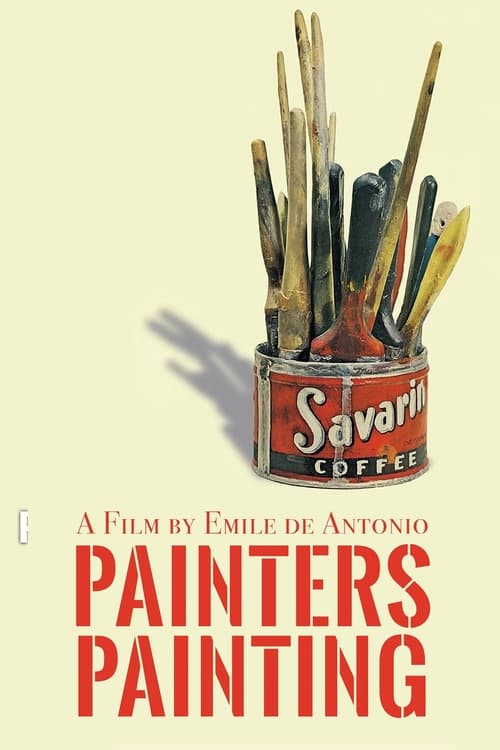
Painters Painting: The New York Art Scene 1940-1970 is a 1972 documentary directed by Emile de Antonio. It covers American art movements from abstract expressionism to pop art through conversations with artists in their studios. Artists appearing in the film include Willem de Kooning, Jasper Johns, Andy Warhol, Robert Rauschenberg, Helen Frankenthaler, Frank Stella, Barnett Newman, Hans Hofmann, Jules Olitski, Philip Pavia, Larry Poons, Robert Motherwell, and Kenneth Noland.
2008

1999
2002
1996

2006
2011
2019
2018
No reviews yet. Be the first to share your thoughts on this movie!
Use the rating form above to leave a star rating and optional review.