Aniki-Bóbó
1942
No user ratings available yet
Representation score: 1.4 out of 10
Representation Score
Limited
2009
Director
Marcus H. Rosenmüller
Runtime
103 minutes
Average Rating
No ratings yetNew Showbiz Analysis
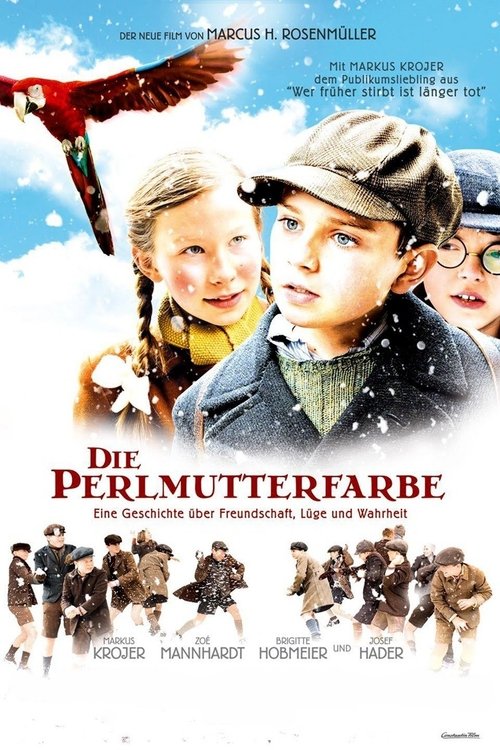
The Pearl Color is a period drama that emphasizes social hierarchy and childhood romance. The narrative structure uses class conflict to illustrate societal divisions, focusing on the tension between two distinct social groups. While the film delves into human connections and social dynamics, it lacks depth in representing multiple aspects of identity. The story adheres to traditional period themes without challenging established norms or offering diverse identity perspectives. Ultimately, the film serves as a focused character study. It effectively portrays social stratification but misses opportunities to explore broader themes of racial, gender, or disability inclusion.
Category Breakdown
The film includes a secret romance between Alexander and Lotte. However, the story follows traditional romantic storylines without showing any non-traditional gender identities.
The main character is a male protagonist, and Lotte is a significant figure. However, the narrative does not challenge traditional gender roles or give female characters much control over their own stories.
Set in the 1930s, the film focuses on social classes in Europe. It highlights class differences but does not emphasize racial or ethnic diversity.
The story examines social divisions through the tension between 'A class' and 'B class.' It focuses on local class conflicts without addressing broader cultural or institutional issues.
There is no mention of visible or invisible disabilities in the central plot or character development.
Present on Screen
Limited or Absent
Official Synopsis
In the early 1930s, ten-year-old Alexander is determined to win his school's painting competition to impress his secret love, Lotte. By chance, he comes into possession of the glittering mother-of-pearl paint. However, its disappearance triggers a fierce battle between the A class and the B class.
1942
1962

2016

1994
2009
1987

2010

1997
No reviews yet. Be the first to share your thoughts on this movie!
Use the rating form above to leave a star rating and optional review.