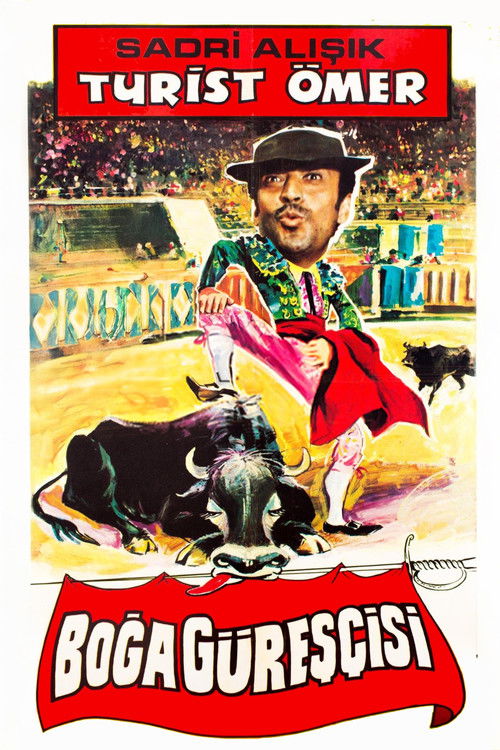
Omer The Tourist: Bullfighter
1971
No user ratings available yet
Representation score: 1.3 out of 10

Representation Score
Limited
1964
Director
Hulki Saner
Runtime
93 minutes
Average Rating
No ratings yetNew Showbiz Analysis
Turist Ömer is a character-driven comedy that reflects the conventional storytelling typical of mid-20th-century Turkish cinema. The plot centers on a male protagonist's accidental encounter with wealth, emphasizing individual mishaps rather than social critique. The film lacks visible representation of underrepresented identities, especially regarding gender and LGBTQ+ themes. The narrative structure appears to follow a traditional, male-centric format common to the era. While the film addresses social realities such as economic struggle, it does not seem to intentionally challenge or disrupt social hierarchies.
Category Breakdown
The film does not include any explicit mention of LGBTQ+ characters or non-traditional gender identities. The story revolves around a male protagonist following a traditional comedic structure.
The story primarily focuses on the experiences of Ömer and his male friend, Ruknettin. Female characters have limited roles and there is little detail about their ability to act or influence.
As a Turkish production, the film reflects its cultural context. There is no indication of whitewashing or promotion of Western hegemony.
The plot explores economic hardships and the tension between casual living and formal institutions. It uses a traditional comedic approach to address social mobility.
The narrative does not provide any information about characters with physical, sensory, or neurodivergent disabilities.
Present on Screen
Limited or Absent
Official Synopsis
Tourist Ömer is a poor man who lives a carefree life without worries. He has never held down a steady job and always got fired. His closest friend is Ruknettin. Tourist Ömer eventually takes a job distributing advertising funds for a bank. When he goes to the bank to collect the advertising funds, he accidentally takes a suitcase full of real money stolen from a robbed bank.
1971

1970

1965

1969

1969

2016
1975

1979
No reviews yet. Be the first to share your thoughts on this movie!
Use the rating form above to leave a star rating and optional review.