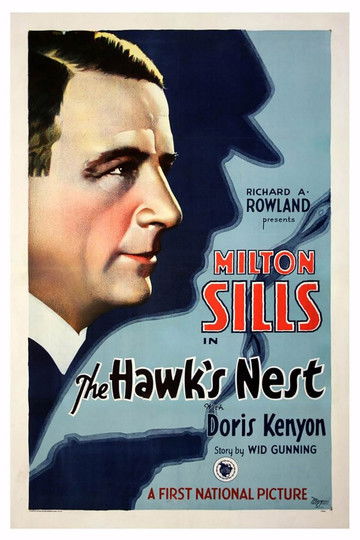
The Hawk's Nest
1928
No user ratings available yet
Representation score: 0.0 out of 10
Representation Score
Limited
1924
Director
Graham Cutts
Runtime
43 minutes
Average Rating
No ratings yetNew Showbiz Analysis
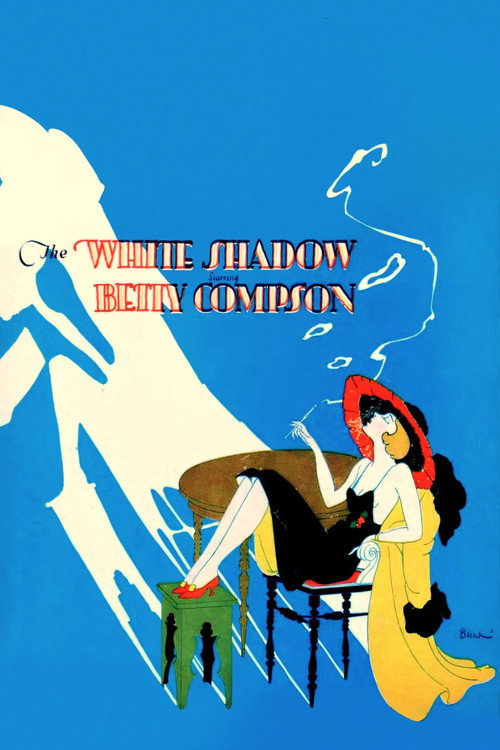
The White Shadow serves as a transitional text that disrupts the moralistic clichés common in early 1920s cinema. Its primary strength lies in its subversion of gendered expectations, presenting a female lead who actively rejects the era's social decorum. However, the film remains limited by the demographic homogeneity of its time. It lacks racial diversity and any meaningful LGBTQ+ representation, focusing instead on a romantic storyline centered around heterosexual relationships.
Category Breakdown
The film does not explicitly depict LGBTQ+ identities. The romantic storyline focuses on a male protagonist involved with two female characters.
The narrative challenges the era-specific expectations of submissive femininity. A free-spirited female protagonist rejects traditional social constraints, playing a significant role in driving the story.
The production reflects the demographic homogeneity of 1920s British and French cinema. There is no evidence of non-white casting or diverse ethnic backgrounds.
The story critiques traditional Western institutions by highlighting tensions between family structures and bohemian lifestyles. It emphasizes individualistic morality over rigid social codes.
There are no visible or invisible disabilities portrayed as central to the character arcs in the available records.
Present on Screen
Limited or Absent
Official Synopsis
In Paris, a wild girl becomes possessed by the soul of her twin who died to save her life.
1928
1938
1929
1929
1922
1921
1929

1926
No reviews yet. Be the first to share your thoughts on this movie!
Use the rating form above to leave a star rating and optional review.