The Cry of the Owl
2009
No user ratings available yet
Representation score: 4.9 out of 10
Representation Score
Limited
2005
Director
Maartje Seyferth, Victor Nieuwenhuijs
Runtime
75 minutes
Average Rating
No ratings yetNew Showbiz Analysis
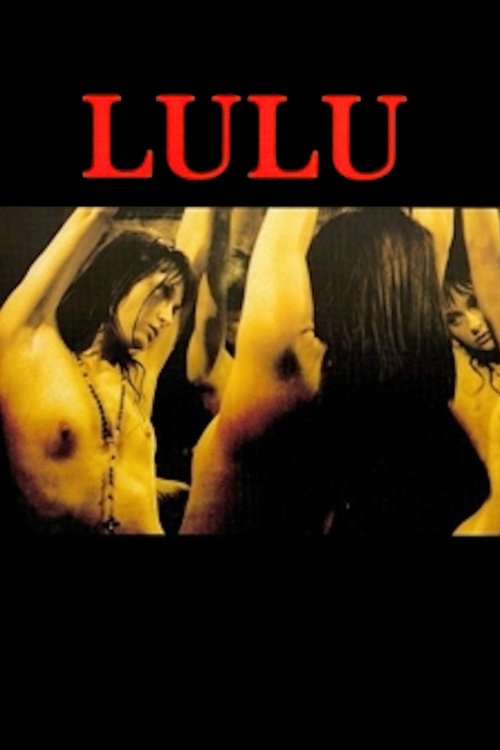
Lulu is a character-driven psychological drama that prioritizes individual morality and interpersonal conflict over systemic representation. The narrative structure relies heavily on traditional romantic tension and jealousy, limiting its engagement with diverse identities. The film explores the instability of social bonds and the breakdown of a wealthy man's stability. However, these themes are explored through a narrow, homogeneous lens that lacks depth in reflecting multiple aspects of identity. Ultimately, the work functions as a localized study of paranoia and infidelity rather than a vehicle for social or cultural subversion.
Category Breakdown
The story focuses on heterosexual relationships and infidelity. There is no indication of non-binary gender identities or same-sex relationships in the plot.
Lulu is the main driver of the plot through her unpredictable actions. Despite Leon's socioeconomic power, the conflict revolves around traditional gender stereotypes of domestic suspicion.
The film portrays a homogeneous social environment typical of mid-2000s European independent cinema. There is no evidence of a multi-ethnic cast or actors from diverse backgrounds.
The narrative critiques the fragility of upper-class social etiquette. It focuses on individual psychological instability rather than explicit institutional or anti-Western critiques.
The film does not include any characters with physical, sensory, or neurodivergent disabilities.
Present on Screen
Limited or Absent
Official Synopsis
Leon Mortier, a wealthy publisher, whilst driving through the forest one day, stops when he sees Lulu walking down the long narrow road. She gets into the car. Leon is amused and intrigued by her. When he pulls off, suddenly out of nowhere a man appears in front of the car and Leon accidentally hits him. He decides to take them both home to recover. Leon falls madly in love with Lulu. Both Lulu and the man stay on with him in the house. Lulu's behavior is unpredictable. Leon becomes suspicious and paranoid about her. As he begins to suspect that his friends are being unfaithful with Lulu, he decides to throw a dinner party with some of his closest friends. During the dinner he wants to confront them with their infidelity and expel them all from his life with Lulu. But when he discovers his son in the arms of Lulu, he decides also to get rid of her, a plan which backfires in a most unexpected way.
2009
1962
2003
1980
2013
2022

2019
1999
No reviews yet. Be the first to share your thoughts on this movie!
Use the rating form above to leave a star rating and optional review.