
In My Father's Den
2004
No user ratings available yet
Representation score: 4.5 out of 10
Representation Score
Fair
2009
RDirector
Jamie Thraves
Runtime
101 minutes
Average Rating
No ratings yetNew Showbiz Analysis
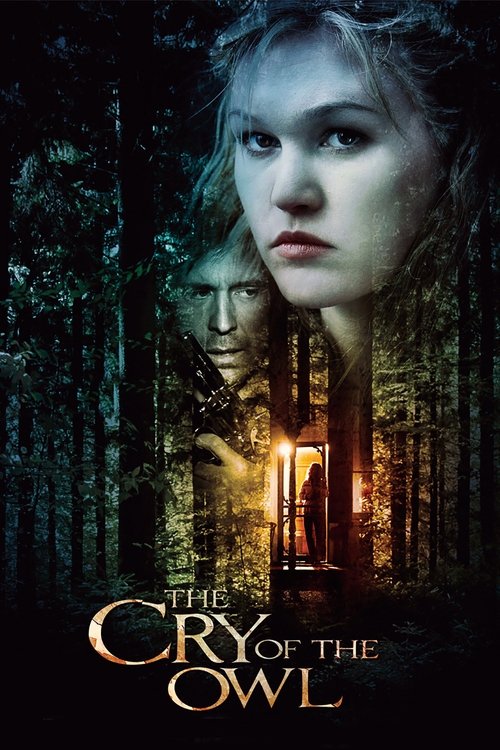
The Cry of the Owl is a psychological thriller that centers on individual neurosis rather than broader social critiques. It operates as a closed system, focusing on the breakdown of a single psyche rather than exploring wider demographic intersections. While the film offers a nuanced look at moral relativism and the fragility of masculine competence, it remains tied to traditional structures. The setting and character dynamics lack the breadth needed for a more progressive representation. Ultimately, the film's focus on psychological pathology limits its ability to challenge systemic hierarchies or provide diverse perspectives.
Category Breakdown
The film follows traditional structures that assume everyone is straight or cisgender. There are no queer narratives or non-cisgender identities in the story.
The story explores power imbalances and voyeuristic tendencies. It portrays a fragile version of masculinity but does not significantly challenge gender hierarchies.
The narrative focuses on a localized, homogeneous social environment. It lacks a multi-ethnic cast and does not use color-blind casting to challenge Anglo-centric norms.
The film engages with moral relativism and the disruption of social boundaries. It prioritizes internal psychological truth over traditional external social orders.
Mental health is a central theme in the plot. However, the film risks using neurodivergence primarily as a tool for creating suspense and tension.
Present on Screen
Limited or Absent
Official Synopsis
Fleeing New York City, a failed marriage and a fragile mental history, artist Robert Forrester moves to small-town Pennsylvania. There he becomes fascinated with the simple domesticity of a beautiful neighbor, watching her through the windows of her home --- until she invites him in for coffee. He is drawn into a relationship with the young woman whose boyfriend goes missing; Robert becomes a murder suspect, gradually sensing he is the target of a larger plot.
2004
2005
2011
2001
2005
2011
2005

2007
No reviews yet. Be the first to share your thoughts on this movie!
Use the rating form above to leave a star rating and optional review.