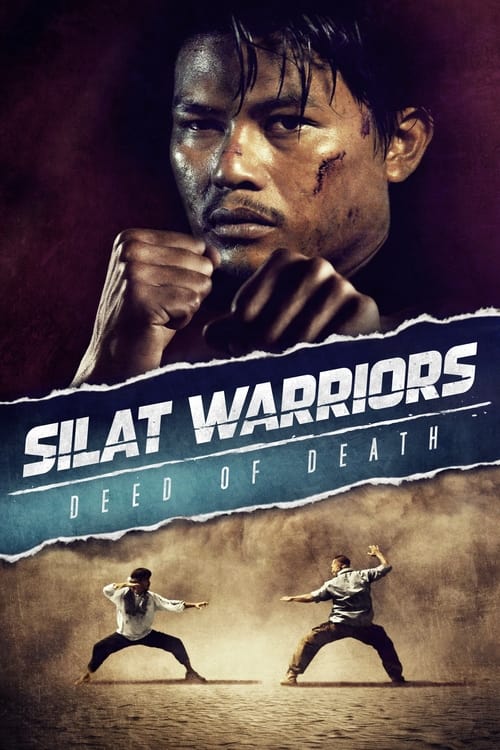
Silat Warriors: Deed of Death
2019
No user ratings available yet
Representation score: 2.1 out of 10

Representation Score
Limited
2026
Director
Razaisyam Rashid
Runtime
100 minutes
Average Rating
No ratings yetNew Showbiz Analysis
The film presents a conventional Malay action-drama centered on male combat and familial duty. The narrative relies on traditional hierarchies where men resolve conflict through physical force, while women exist primarily as emotional stakes. Hatta’s journey is defined by his sacrifice for his sister, Aisha, whose illness drives the plot without granting her narrative voice. The cast is homogeneous, mirroring the film’s specific cultural setting. There is no exploration of gender fluidity, disability, or alternative family structures. The film upholds conventional values of brotherhood, redemption, and self-sacrifice for family. On-screen evidence confirms a male-led structure with no LGBTQ+ presence. Women lack agency, serving only as motivation. No disability or neurodivergence representation exists beyond the plot catalyst. No cross-ethnic or international diversity is depicted.
Category Breakdown
No LGBTQ+ characters, relationships, or identities appear in the cast list or synopsis. The narrative focuses exclusively on heterosexual family bonds and male rivalry.
Men drive the plot through combat and mob dealings, while women serve as motivation. Aisha’s illness triggers Hatta’s return to fighting, but she has no agency in the conflict.
The cast is entirely Malay, reflecting the film’s Malaysian setting and cultural context. No cross-ethnic dynamics or diversity beyond the local demographic are depicted.
Traditional family loyalty and redemption are central values. Hatta sacrifices his principles to save his sister, framing familial duty as the highest moral imperative.
Aisha’s serious illness is the plot’s catalyst but is not explored as a lived experience. It functions as a narrative device to force Hatta into the underworld ring.
Present on Screen
Limited or Absent
Official Synopsis
After unintentionally causing the death of his opponent during a martial arts tournament, Hatta vows to never participate in any fighting tournament again. However, when his only sister becomes seriously ill and requires costly medical treatment, he is offered 'financial assistance' by a head of mobsters in return for Hatta fighting for him in the underworld fighting ring.
2019
1999

2013

2018

2019

2021

1994

2016
No reviews yet. Be the first to share your thoughts on this movie!
Use the rating form above to leave a star rating and optional review.