
Vita segreta di Maria Capasso
2019
No user ratings available yet
Representation score: 5.6 out of 10
Representation Score
Fair
2007
Director
Youssef Chahine, Khaled Youssef
Runtime
120 minutes
Average Rating
No ratings yetNew Showbiz Analysis
The film stands out as a powerful social commentary, using its characters to challenge the idea of stable institutions. By highlighting corruption within the police force, it undermines the traditional pillars of societal order. Though the narrative is rich in cultural context and provides a sharp critique of systemic power, it remains narrow in its representation of diverse identities. The focus on a traditional love triangle and a homogeneous cast limits the range of diversity. Overall, the work is a significant exploration of social justice and the undermining of authority, emphasizing skepticism of systemic structures over broad demographic representation.
Category Breakdown
The story focuses on a traditional love triangle involving Nour, Hatem, and Sherif. There are no characters or themes related to LGBTQ+ or non-cisgender identities.
Nour is central to the moral conflict in the film. The movie criticizes male authority by depicting the police officer as corrupt rather than protective.
The film showcases an Egyptian setting with a cast that shares similar ethnic backgrounds. It explores diversity through social class and status rather than racial differences.
The story offers a critical look at state institutions and systemic corruption. It questions the sanctity of authority, presenting legal systems as potential sources of chaos.
There is no information about the portrayal of physical or neurodivergent disabilities in the film.
Present on Screen
Limited or Absent
Official Synopsis
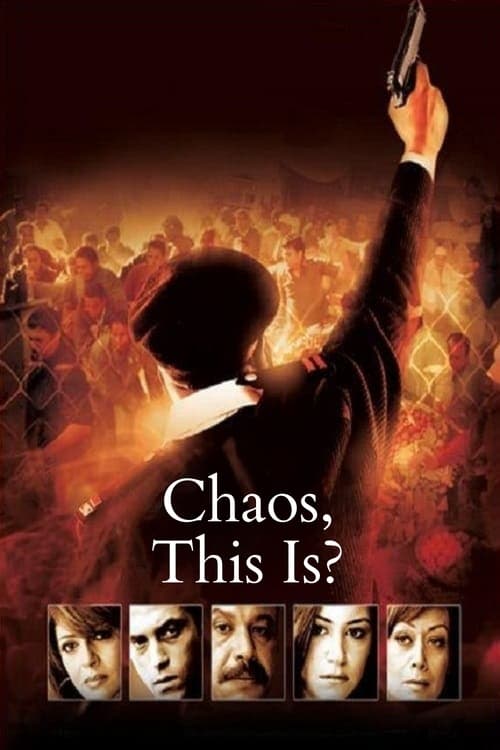
Hatem is a corrupt police officer, who loves his neighbor Nour, who in turn loves the prosecutor, Sherif. Hatem tries to win Nour’s attention even if by force.
2019

1937

2016

1985

2016

2017

1996

2008
No reviews yet. Be the first to share your thoughts on this movie!
Use the rating form above to leave a star rating and optional review.