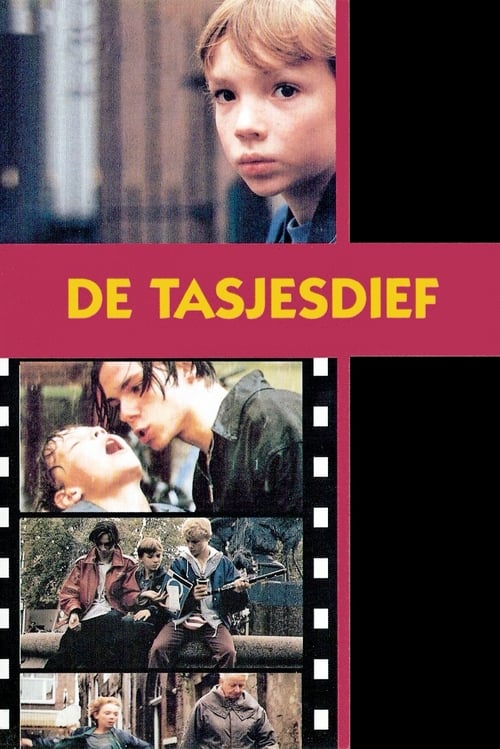
The Purse Snatcher
1995
No user ratings available yet
Representation score: 2.7 out of 10
Representation Score
Minimal
1951
NRRuntime
11 minutes
Average Rating
No ratings yetNew Showbiz Analysis
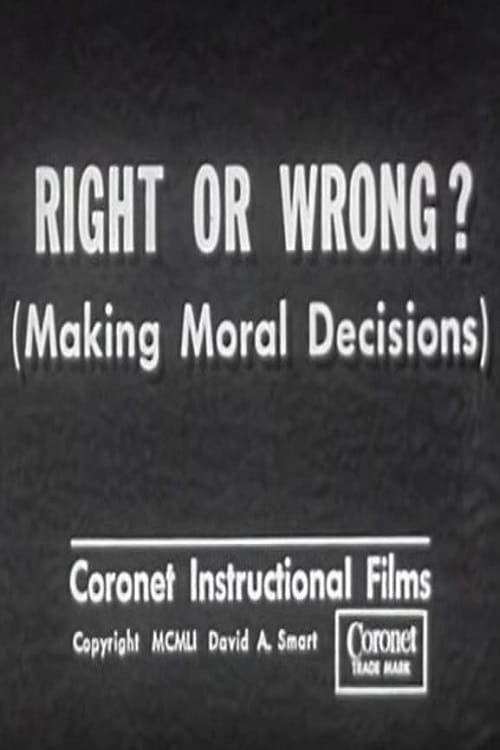
This 1951 instructional short functions as a didactic tool to promote conformity to legal and social institutions. The narrative architecture centers on a singular ethical dilemma regarding loyalty versus civic duty, reinforcing traditional social hierarchies. The film operates within the strict social constraints of its era, prioritizing institutional stability over individual autonomy. It serves as a quintessential example of mid-century media designed to instill respect for authority and the rule of law. Because the focus remains on a boy's choice between 'ratting' and 'shouldering blame,' the work reinforces established norms rather than attempting to disrupt conventional expectations.
Category Breakdown
The film focuses on a group of young boys and a security guard. There is no evidence of LGBTQ+ identities or narratives that challenge the assumption that everyone is straight or cisgender.
The narrative is male-centric, focusing on boys and male authority figures. It lacks women's ability to drive the story, situating the moral conflict entirely within a masculine social sphere.
The film likely reflects the homogeneous social norms of 1951. The narrative implies a standard Western, likely white, neighborhood setting without considering different backgrounds.
The story reinforces the authority of Western legal institutions and civic obedience. It prioritizes traditional social order over the critique of systemic power.
There is no evidence of characters with visible or invisible disabilities. Neurodivergence or physical impairment does not play a role in the narrative arc.
Present on Screen
Limited or Absent
Official Synopsis
A group of young boys break some windows at a warehouse. The security guard recognizes one of them as a neighborhood boy, Harry. Harry is hauled into the police station and told things will go easier on him if he tells who his accomplices were. Harry must decide which is better, shouldering the blame for the entire incident or ratting out his friends.
1995

1946
2013

1986
1989

2021

1975

1965
No reviews yet. Be the first to share your thoughts on this movie!
Use the rating form above to leave a star rating and optional review.