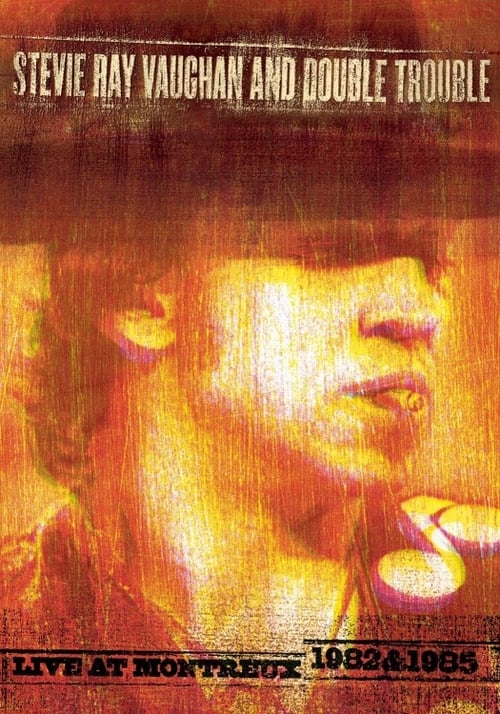
Stevie Ray Vaughan and Double Trouble: Live at Montreux 1982 & 1985
2004
No user ratings available yet
Diversity score: 2.2 out of 10
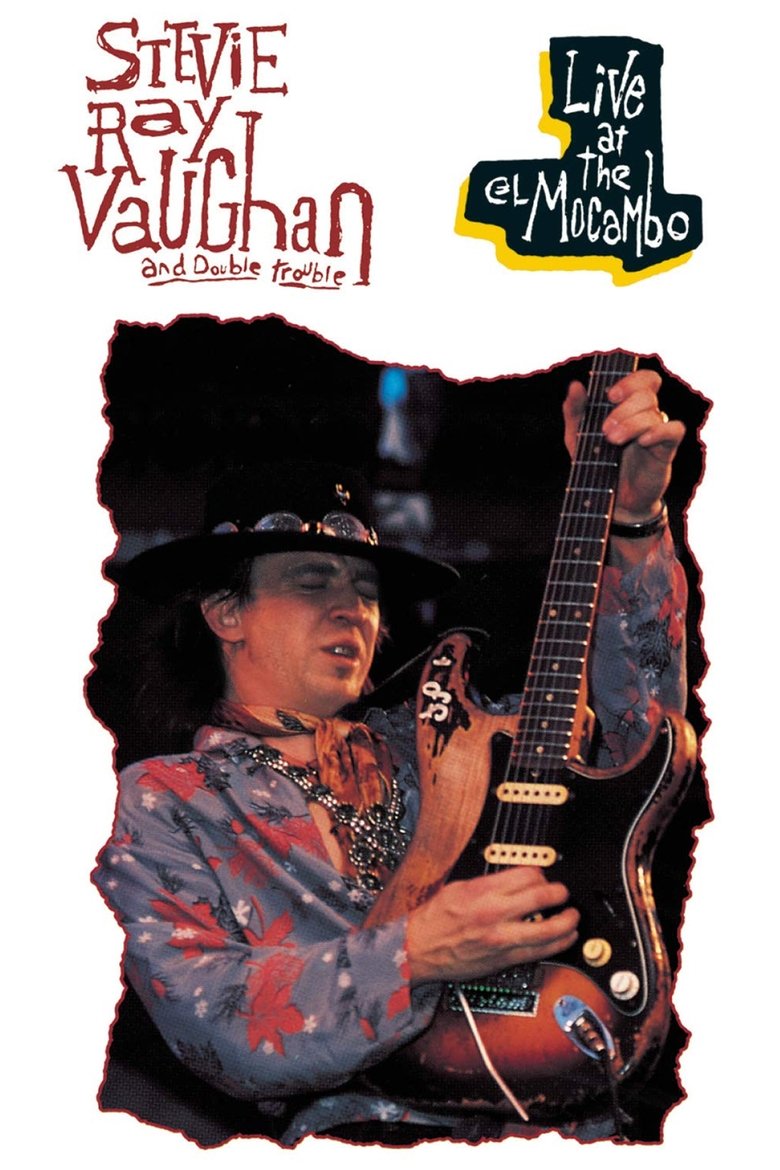
1983
NRDirector
Dennis Saunders
Runtime
63 minutes
Average Rating
No ratings yetSynopsis
Stevie Ray Vaughan and Double Trouble burn it up at the El Mocambo, a small club in Toronto, performing a short set list. During the concert Vaughan pulls off some Hendrix style guitar heroics. He does whammy bar tricks, bangs it on he floor, and makes noises with it. He also plays it behind his back.
Overall Score
Limited
Category Breakdown
LGBTQ+ Representation
The film contains no documented presence of LGBTQ+ characters or narratives. The focus remains strictly on the musical performance and the club environment.
Gender Representation
The production features a traditional, male-dominated ensemble. Narrative agency is concentrated entirely within the male performers, reinforcing conventional gendered hierarchies of the era.
Racial & Ethnic Diversity
The film captures the blues, a genre rooted in Black cultural history, performed by a multi-racial ensemble. It does not explicitly engage with racial politics.
Religious & Cultural Diversity
The content celebrates individualist virtuosity and traditional Western musical structures. It does not engage with anti-capitalist, secularist, or institutional critiques.
Disability Representation
There is no visible or documented representation of physical or neurodivergent disabilities within the performance or the captured audience.
Strengths
Areas for Improvement
AI Analysis
This concert film functions as a specialized document of musical history rather than a vehicle for social commentary. It prioritizes technical mastery and the preservation of the blues-rock tradition over the exploration of intersectional identities. The work operates within the standard frameworks of 1980s music documentaries, focusing on the improvisational agency of the performers. Consequently, it lacks intentional engagement with identity politics or systemic deconstruction. While the music itself is a product of Black cultural heritage, the film serves as a medium for artistic expression rather than a deliberate exercise in racial subversion or diverse casting.
2004
1995
2015
2022
2011

2021
1992
2009
1986
1991
2010
2017
No reviews yet. Be the first to share your thoughts on this movie!
Use the rating form above to leave a star rating and optional review.