Teddy
2020
No user ratings available yet
Representation score: 6.5 out of 10
Representation Score
Fair
2011
Not RatedDirector
Keith Wright
Runtime
77 minutes
Average Rating
No ratings yetNew Showbiz Analysis
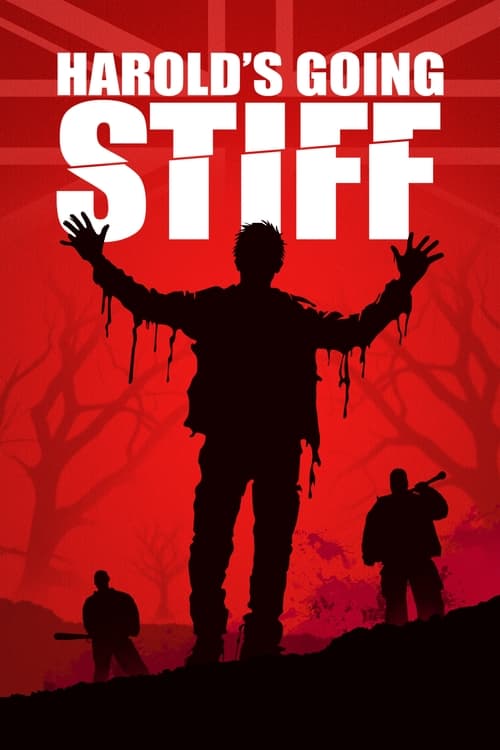
Harold's Going Stiff uses the horror-comedy genre to explore themes of bodily transformation and social isolation. The plot revolves around a protagonist facing a degenerative condition, serving as a metaphor for physical and social vulnerability. The film's tension stems from the conflict between a underrepresented individual and violent vigilantes, suggesting a critique of reactionary social impulses and traditional justice systems. However, the lack of explicit demographic data prevents confirming specific representation.
Category Breakdown
The film does not explicitly confirm non-straight or non-cisgender identities or same-sex relationships. The protagonist's disease might symbolize non-traditional identities, but there is no clear representation of these identities.
A friendly care worker potentially disrupts traditional power dynamics. However, it is unclear whether the film actively challenges gender hierarchies or relies on conventional archetypes.
There is no information available regarding the racial or ethnic composition of the cast. Consequently, the film's approach to ethnic diversity cannot be determined.
The story criticizes reactionary social orders by portraying violent vigilantes as the main threat. It prioritizes the perspective of those who are underrepresented by societal institutions.
The story focuses on a character dealing with a debilitating, life-changing illness. This highlights physical vulnerability and loss of autonomy, offering a nuanced look at transformative experiences.
Present on Screen
Limited or Absent
Official Synopsis
Harold is suffering from a terrifying new disease that is turning him into a zombie. As his condition deteriorates, he and his friendly care worker end up on the run from a group of violent vigilantes.
2020
1978

2010
1992

2007
2011
2017
2003
No reviews yet. Be the first to share your thoughts on this movie!
Use the rating form above to leave a star rating and optional review.