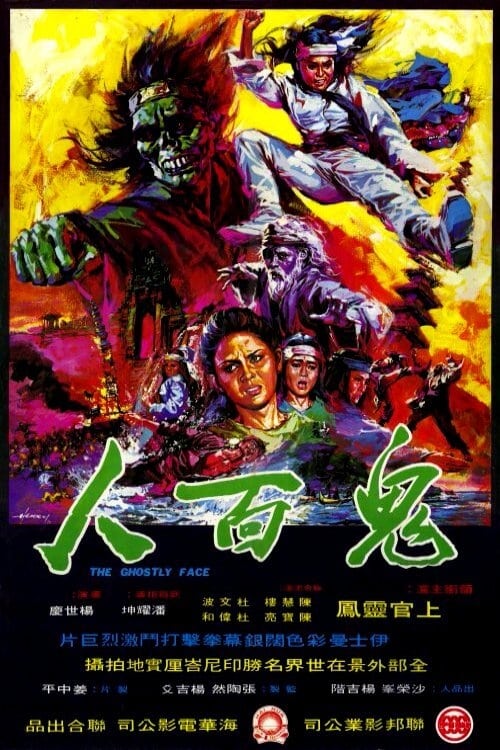
The Ghostly Face
1971
No user ratings available yet
Representation score: 4.3 out of 10
Representation Score
Limited
1973
Director
Ho Meng-Hua
Runtime
97 minutes
Average Rating
No ratings yetNew Showbiz Analysis
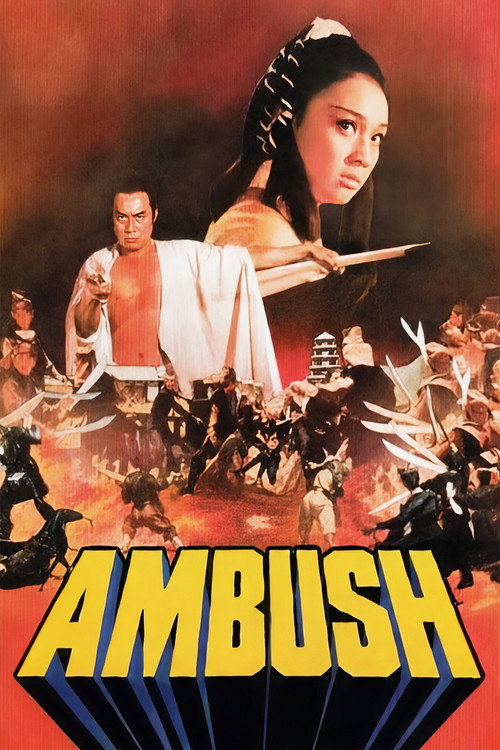
Ambush is a period action film that emphasizes nationalistic resistance and collective survival. It serves as a critique of imperialist occupation, focusing on Chinese guerrillas fighting Japanese forces during the 1930s. The film stands out in its cultural and racial representation by avoiding the 'Western hero' cliché and instead centers the struggle of a colonized population against an external oppressor. However, it is limited by its adherence to 1970s genre conventions, lacking LGBTQ+ visibility and relying on a patriarchal structure where female roles are minimal.
Category Breakdown
The film follows traditional social structures of its time and does not include any non-cisgender identities or same-sex relationships.
The story focuses almost entirely on male combatants, with character's ability to drive the story driven by masculine physical strength and military leadership.
The film centers on an ethnically Chinese cast set in a historical context. It shifts the focus away from a Western perspective by emphasizing the ability to act of colonized subjects.
The narrative is rooted in anti-imperialist and anti-colonialist themes. It examines decolonization through resistance against an occupying state.
The film does not address neurodivergence or physical disabilities. Characters are primarily defined by their physical ability to fight.
Present on Screen
Limited or Absent
Official Synopsis
An officer of the law and his father are framed for a robbery they did not commit. With only his father's sword at the scene and the man nowhere to be found the officer flees in order to discover who really stole the jewels so that he may clear the family name.
1971

1980

2012
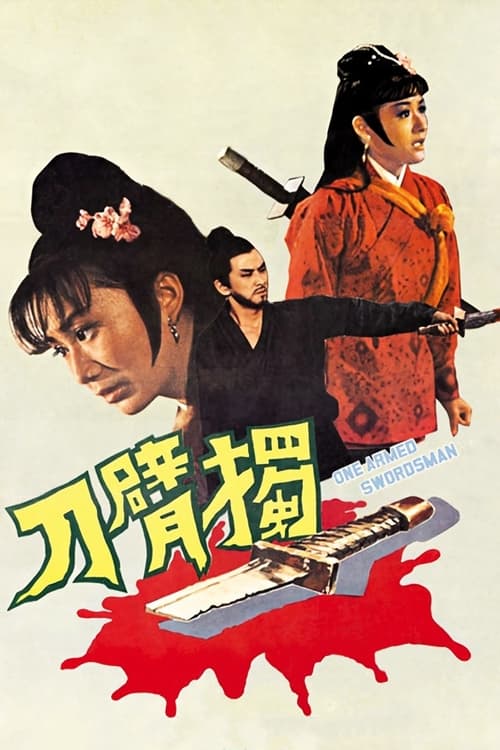
1967
1968

1984

1980

1977
No reviews yet. Be the first to share your thoughts on this movie!
Use the rating form above to leave a star rating and optional review.