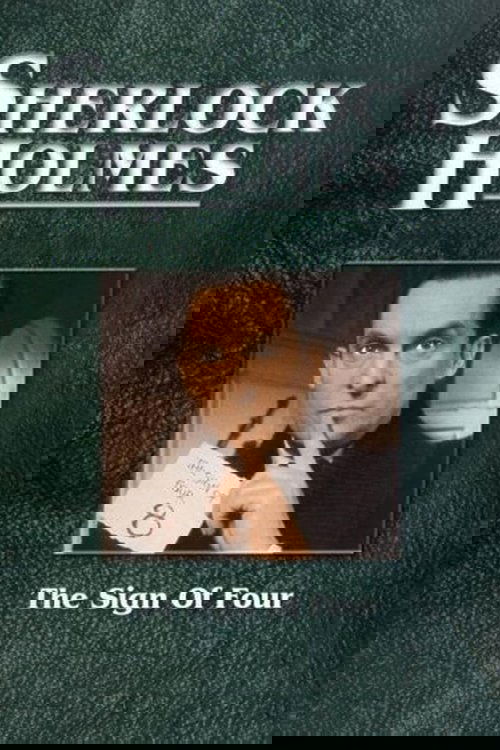
The Sign of Four
1987
No user ratings available yet
Diversity score: 3.4 out of 10
1992
TV-PGDirector
Peter Hammond
Runtime
107 minutes
Average Rating
No ratings yetSynopsis
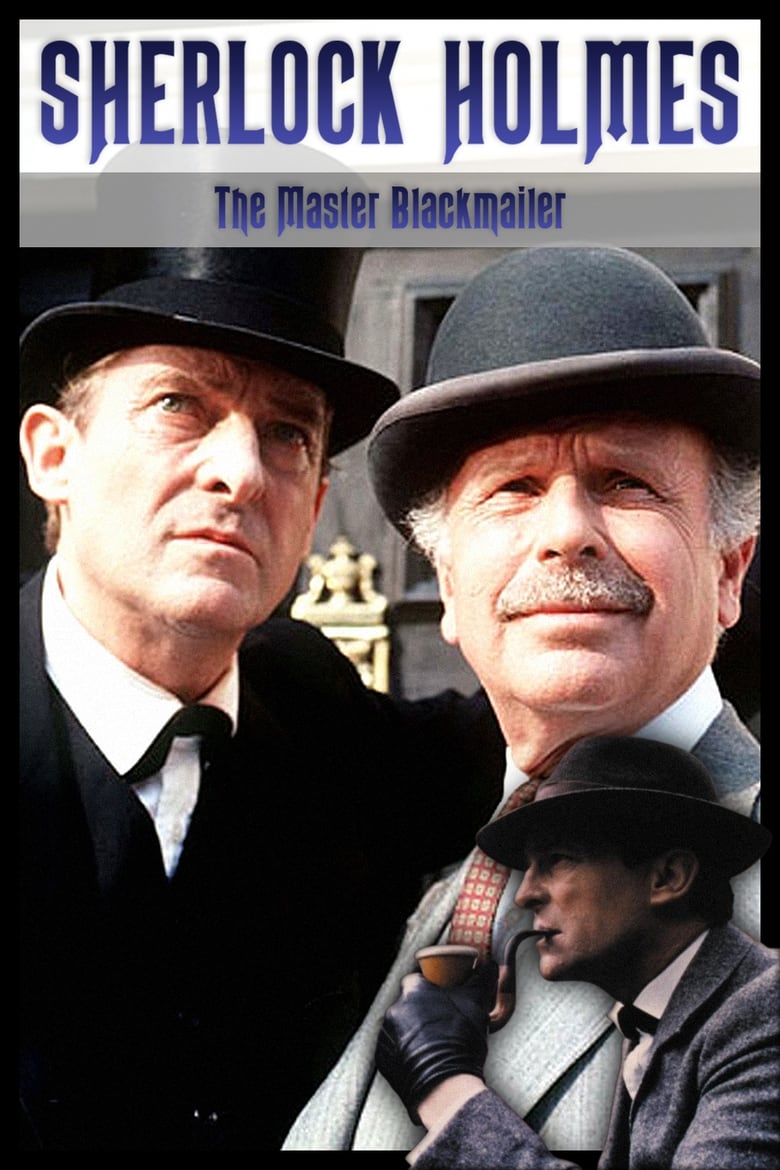
For years, a blackmailer has been preying on the weaknesses of others throughout London. When Holmes hears of the utter misery this mystery man is creating, he adopts a campaign to thwart his evil scheming. The campaign astonishes Dr. Watson by its strangeness and finds Holmes falling in love.
Overall Score
Limited
Category Breakdown
LGBTQ+ Representation
The film introduces a romantic arc for Holmes, which shifts his typical character dynamics. However, the identity and gender of this love interest remain unverified, leaving the narrative's stance on non-cisnormative identities unclear.
Gender Representation
The story centers on the intellectual agency of Holmes and Watson. While Holmes shows increased emotional vulnerability through a romantic subplot, there is no evidence of high-agency female characters or subverted gender hierarchies.
Racial & Ethnic Diversity
Set in London within the classic Holmesian mythos, the production appears to follow traditional, homogeneous casting. There is no indication of a diverse cast or the inclusion of non-white perspectives.
Religious & Cultural Diversity
The narrative relies on a traditional morality framework, framing the conflict as a battle between good and evil. It lacks a critique of Western institutions or a promotion of moral relativism.
Disability Representation
The available information provides no mention of characters with visible or invisible disabilities.
Strengths
Areas for Improvement
AI Analysis
The Master Blackmailer adheres closely to established mystery genre conventions and the traditional Sherlock Holmes archetype. The plot focuses on a standard conflict between a detective and a singular antagonist, prioritizing the restoration of social order. While the film attempts to expand the protagonist's emotional spectrum through a romantic element, it does not appear to challenge systemic social hierarchies. The narrative structure remains rooted in conventional tropes rather than intersectional storytelling. Ultimately, the work functions as a period-style thriller that lacks documented evidence of diverse representation or cultural subversion.
No reviews yet. Be the first to share your thoughts on this movie!
Use the rating form above to leave a star rating and optional review.